
Embark on a journey through the world of home furnace repair with our comprehensive guide on troubleshooting disfunctional pilots and igniters. Discover the ins and outs of these crucial components and learn how to address common issues effectively.
Uncover the key steps to take when dealing with pilot lights and igniters to ensure your furnace runs smoothly and efficiently.
Common Issues with Pilot Lights and Igniters
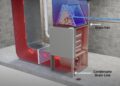
Pilot lights and igniters play a crucial role in the operation of a home furnace. The pilot light is a small flame that ignites the gas coming out of the main burner, while the igniter is responsible for starting the combustion process by creating a spark or heating element to light the gas.Common Problems with Pilot Lights and Igniters
- Dirty or clogged pilot light: A dirty or clogged pilot light can result in a weak or inconsistent flame, leading to issues with ignition and potentially causing the furnace to shut off unexpectedly.
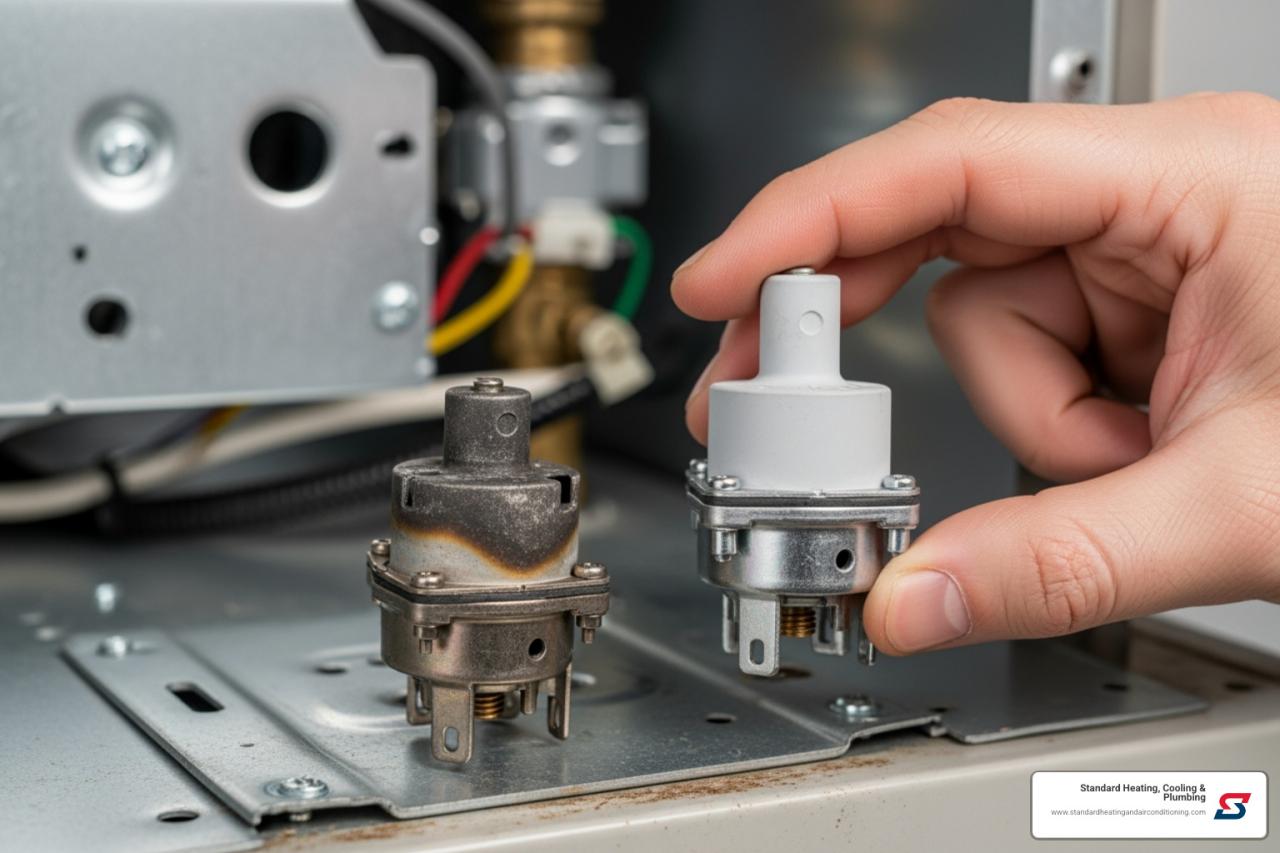
- Malfunctioning igniter: If the igniter fails to generate a spark or heat, the gas will not ignite, causing the furnace to not produce heat or even start at all.
- Wear and tear: Over time, pilot lights and igniters can wear out due to constant use, resulting in decreased efficiency and reliability.
- Incorrect positioning: Improper placement of the pilot light or igniter can prevent them from functioning correctly, affecting the overall performance of the furnace.
Troubleshooting Steps for Pilot Lights
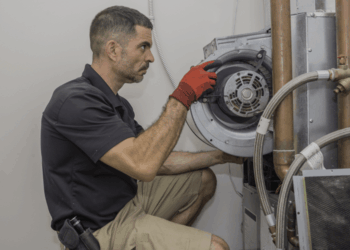
 When dealing with pilot light issues, it's important to follow specific steps to ensure safety and efficiency in relighting or troubleshooting. Here are some key steps to consider:
Relighting a Pilot Light
- Locate the pilot light: Before attempting to relight the pilot light, make sure you know where it is located on your furnace.
- Turn off the gas: Before relighting the pilot light, turn off the gas supply to the furnace to prevent any accidents.
- Follow the manufacturer's instructions: Different furnace models may have specific relighting procedures, so refer to the manufacturer's manual for guidance.
- Use a long lighter: To relight the pilot light, use a long lighter to reach the flame without risking burns.
- Hold the reset button: While lighting the pilot light, hold down the reset button to ensure the flame stays lit.
Troubleshooting a Pilot Light that Won't Stay Lit
- Check for a dirty pilot tube: A dirty or clogged pilot tube can prevent the flame from staying lit, so clean it carefully with a small wire.
- Inspect the thermocouple: The thermocouple is a safety device that can shut off the gas if it senses a weak or extinguished flame. Make sure it is positioned correctly and not damaged.
- Adjust the pilot light flame: If the flame is too weak or too strong, adjust the pilot light flame using the control knob to achieve the right size.
Safety Precautions when Working with Pilot Lights
- Wear protective gear: When dealing with pilot lights, always wear protective gloves and goggles to avoid any accidents or injuries.
- Ensure proper ventilation: Work in a well-ventilated area to prevent the buildup of gas fumes and ensure safety during the process.
- Turn off the power: Before troubleshooting or relighting the pilot light, turn off the power to the furnace to avoid electrical hazards.
Troubleshooting Steps for Igniters
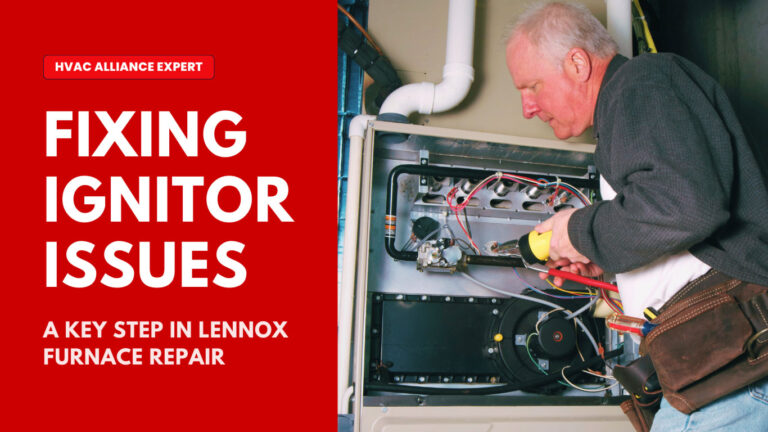 When it comes to troubleshooting issues with your furnace, the igniter plays a crucial role in starting the heating process. Understanding how to diagnose and replace faulty igniters is essential for maintaining the functionality of your heating system.
Function of Igniters
The igniter in your furnace is responsible for generating the spark or heat needed to ignite the gas and start the heating process. Without a properly functioning igniter, your furnace will not be able to produce heat efficiently.
Diagnosing Issues with Igniters
If you suspect that your furnace's igniter is malfunctioning, there are a few steps you can take to diagnose the issue. Start by checking for any visible signs of damage or wear on the igniter. You can also use a multimeter to test the continuity of the igniter to determine if it is faulty.
Tip: Make sure to turn off the power to your furnace before attempting to diagnose or replace the igniter to avoid any accidents or injuries.
Replacing Faulty Igniters
If you have determined that the igniter is indeed faulty, you will need to replace it to restore your furnace's functionality. Start by locating the igniter within your furnace – it is typically located near the burners. Remove the old igniter carefully and replace it with a new one of the same make and model.
Important: Be sure to follow the manufacturer's instructions when replacing the igniter to ensure proper installation and safety.
Comparing DIY Fixes vs. Professional Help
When it comes to dealing with furnace pilot lights and igniters, homeowners often face the decision of whether to attempt a do-it-yourself (DIY) repair or seek professional help. While some issues can be resolved with basic troubleshooting, others may require the expertise of a trained technician. Let's explore the factors to consider when deciding between DIY fixes and professional assistance.DIY Repairs for Pilot Lights and Igniters
- DIY repairs are suitable for simple issues like dirty pilot lights or clogged igniters that can be easily cleaned or replaced.
- Homeowners with basic knowledge of furnace systems and proper safety precautions can attempt DIY fixes for minor problems.
- DIY repairs can save money and time if the issue is straightforward and within the homeowner's skill level.
Risks of DIY Repairs vs. Hiring a Professional
- DIY repairs may lead to further damage or safety hazards if performed incorrectly, potentially voiding the furnace warranty.
- Improper handling of gas components or electrical systems can pose risks of gas leaks, fires, or electrical shocks for inexperienced individuals.
- Professional technicians have the training, tools, and expertise to diagnose complex issues accurately and ensure safe and effective repairs.
Criteria for Seeking Professional Help
- If DIY troubleshooting does not resolve the furnace issue or if the problem seems beyond your understanding, it's time to call a professional.
- When dealing with gas-related problems, such as a faulty gas valve or gas leaks, it's crucial to seek immediate professional assistance to prevent safety risks.
- If your furnace is still under warranty, hiring a certified technician for repairs is often required to maintain the warranty coverage.
Final Thoughts
In conclusion, mastering the troubleshooting of pilots and igniters will empower you to maintain a warm and comfortable home environment. Armed with the knowledge from our guide, you can tackle furnace problems with confidence and ease.
Commonly Asked Questions
How do pilot lights and igniters impact furnace operation?
Pilot lights and igniters play a crucial role in initiating the heating process in a furnace. If they malfunction, the furnace may fail to start or operate efficiently.
What are the safety precautions when working with pilot lights?
Ensure the gas supply is turned off, follow manufacturer instructions, and use a flashlight to inspect the pilot light. It's crucial to prioritize safety to avoid accidents.
When should you consider seeking professional help for furnace repairs?
If you encounter complex issues with pilot lights or igniters, lack the necessary tools or expertise, or if safety is a concern, it's best to contact a professional HVAC technician for assistance.