
The Best Seasonal Maintenance Schedule to Avoid Winter Home Furnace Repair sets the stage for this enthralling narrative, offering readers a glimpse into a story that is rich in detail with a casual formal language style and brimming with originality from the outset.
The following paragraphs will delve into the key components of seasonal maintenance for home furnaces, the benefits of creating a maintenance schedule, DIY tasks to prevent issues, the role of professionals, and tips on winterizing your furnace.
Importance of Seasonal Maintenance
Regular seasonal maintenance is essential for avoiding costly winter home furnace repairs. By following a consistent maintenance schedule, homeowners can ensure that their furnace operates efficiently and effectively throughout the colder months.
Key Components of a Seasonal Maintenance Schedule
- Checking and replacing air filters: Clean filters allow for proper airflow and prevent strain on the furnace.
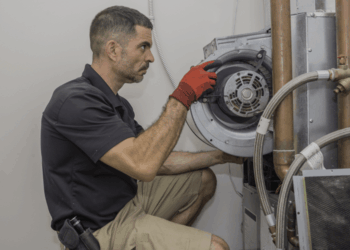
- Inspecting and cleaning the blower motor: A clean blower motor ensures optimal air circulation.
- Testing the thermostat: Ensuring the thermostat is calibrated correctly helps maintain a comfortable indoor temperature.
- Examining ductwork for leaks: Sealing any leaks in the ductwork helps improve energy efficiency.
- Lubricating moving parts: Proper lubrication reduces friction and extends the lifespan of the furnace.
Consequences of Neglecting Seasonal Maintenance
Neglecting seasonal maintenance can lead to various issues with the furnace, such as reduced efficiency, increased energy bills, uneven heating, and even complete system failure. Additionally, lack of maintenance can shorten the lifespan of the furnace and result in costly repairs or premature replacement.
Creating a Maintenance Schedule
When it comes to maintaining your home furnace, having a structured maintenance schedule is key to ensuring its efficiency and longevity. By following a regular maintenance plan, you can avoid costly repairs during the winter season and keep your furnace running smoothly.Ideal Timing for Seasonal Maintenance
- Before the start of the winter season, ideally in early fall, is the best time to perform seasonal maintenance on your home furnace. This allows you to address any issues or wear and tear before the colder weather sets in.
- It's also recommended to schedule maintenance at least once a year, even if your furnace seems to be working fine. This proactive approach can help prevent unexpected breakdowns and ensure your furnace operates efficiently.
Step-by-Step Guide to Creating a Comprehensive Maintenance Schedule
- Mark your calendar for seasonal maintenance in early fall before winter arrives.
- Contact a professional HVAC technician to perform a thorough inspection and tune-up of your furnace.
- Discuss any concerns or issues you've noticed with your furnace to address during the maintenance visit.
- Follow any recommendations from the technician for repairs or upgrades to improve your furnace's performance.
- Set a reminder for annual maintenance to ensure your furnace continues to operate efficiently year after year.
Benefits of Following a Structured Maintenance Plan
- Regular maintenance helps identify and address minor issues before they escalate into major problems, saving you time and money on repairs.
- A well-maintained furnace operates more efficiently, reducing energy consumption and lowering your utility bills.
- Extending the lifespan of your furnace through proper maintenance means you won't have to replace it prematurely, saving you the cost of a new unit.
- Peace of mind knowing that your furnace is in good condition and ready to keep your home warm throughout the winter season.
DIY Maintenance Tasks
Regular maintenance tasks can help prevent costly furnace repairs and ensure your system runs efficiently throughout the winter. Here are some common DIY maintenance tasks homeowners can perform to keep their furnace in top condition:Regular Filter Replacement
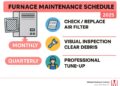
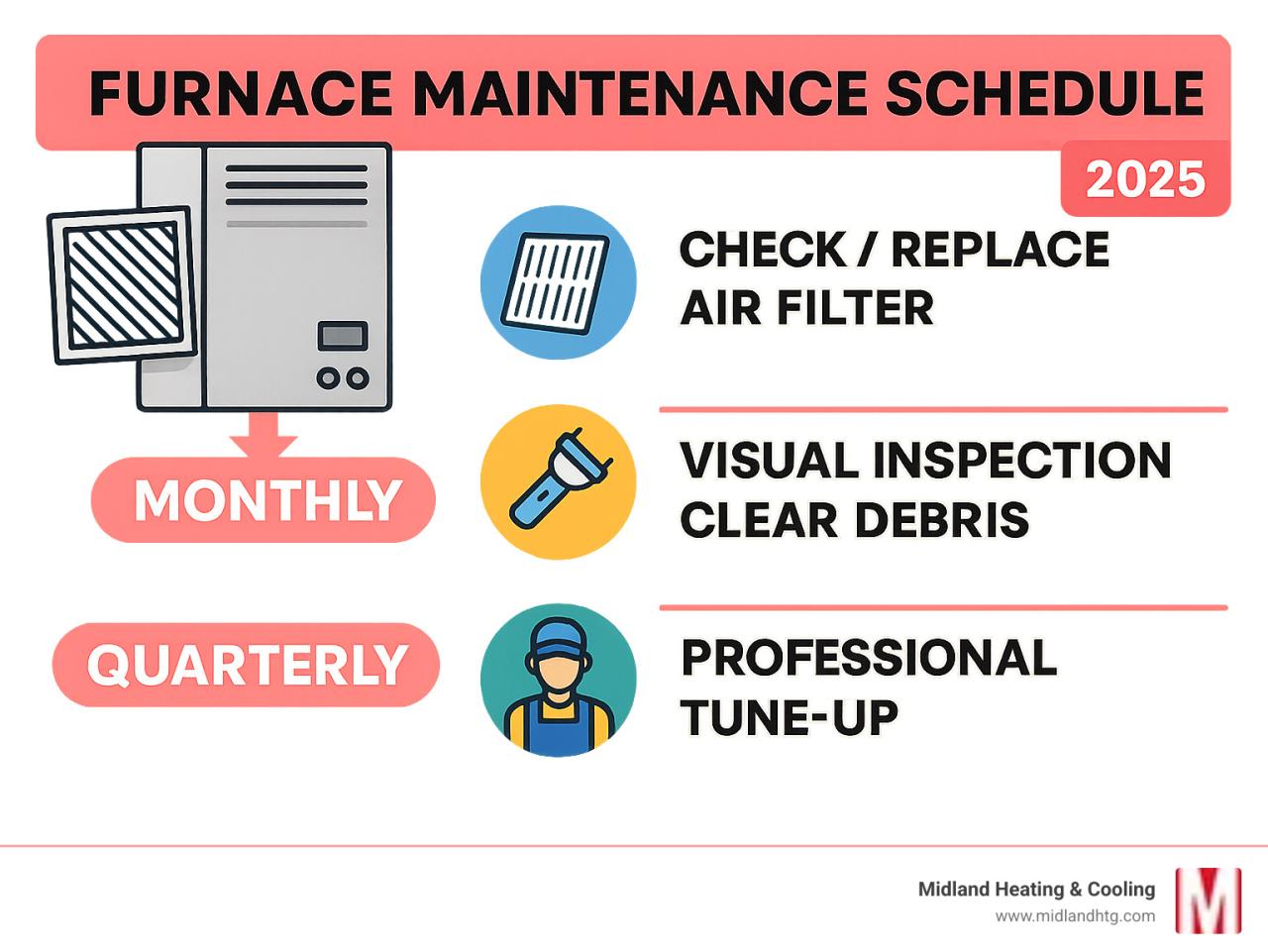
One of the most important DIY maintenance tasks for your furnace is regularly replacing the air filter. A dirty or clogged filter can restrict airflow, causing your furnace to work harder and less efficiently. This can lead to higher energy bills and potential damage to your system.
- Check your filter every 1-3 months, depending on usage.
- Use the manufacturer's recommendations for filter type and size.
- Replace the filter if it appears dirty or clogged.
- Consider upgrading to a high-efficiency filter for better air quality.
Safety Tips for Basic Maintenance
While some maintenance tasks require professional expertise, there are several basic tasks you can safely perform on your own to keep your furnace running smoothly:
- Turn off power to the furnace before performing any maintenance.
- Keep the area around the furnace clean and free of debris.
- Check for visible signs of wear or damage on components like belts and pulleys.
- Inspect the exhaust flue for blockages or damage.
- Test your thermostat to ensure it is functioning properly.
Professional Maintenance Services
When it comes to seasonal furnace maintenance, hiring professional HVAC technicians can play a crucial role in ensuring the optimal performance and longevity of your home heating system. Let's delve into the advantages of opting for professional services over DIY maintenance and the specialized tasks that professionals can perform to keep your furnace in top condition.
Advantages of Hiring Professionals
- Expertise: HVAC technicians have the knowledge and experience to identify potential issues and perform thorough inspections to prevent costly repairs down the line.
- Efficiency: Professionals can efficiently tune-up your furnace, ensuring it operates at peak performance levels and maximum energy efficiency.
- Safety: Trained technicians can handle potentially hazardous tasks like checking gas connections and carbon monoxide levels, keeping your home safe and secure.
Specialized Tasks by Professionals
- Thorough Inspection: Professionals can conduct a comprehensive inspection of your furnace, checking for any wear and tear, leaks, or faulty components.
- Cleaning and Lubrication: HVAC technicians can clean critical parts of your furnace, such as burners and heat exchangers, and ensure proper lubrication to reduce friction and wear.
- Calibration: Professionals can calibrate your thermostat and other settings to ensure accurate temperature control and efficient operation.
Winterizing Your Furnace
 Preparing your home furnace for the colder months is essential to ensure optimal performance and prevent potential damage. By following a few key steps, you can winterize your furnace effectively.
Protecting Your Furnace
- Inspect and replace air filters: Clean or replace air filters to ensure proper airflow and efficiency during the winter months.
- Check the thermostat settings: Adjust the thermostat settings to optimize heating performance and save energy.
- Seal ducts and vents: Inspect ducts and vents for leaks or blockages, and seal them to prevent heat loss.
- Lubricate moving parts: Lubricate moving parts of the furnace to reduce friction and wear, improving overall efficiency.
Optimizing Performance
- Schedule a professional inspection: Consider hiring a professional to inspect and tune up your furnace before winter to catch any potential issues early.
- Programmable thermostat installation: Upgrade to a programmable thermostat to regulate temperature settings and save on energy costs.
- Clear the area around the furnace: Ensure that the area around the furnace is clear of any debris or flammable materials to prevent safety hazards.
- Monitor carbon monoxide detectors: Test and replace batteries in carbon monoxide detectors to ensure they are functioning properly.
Conclusion
In conclusion, a proactive approach to seasonal maintenance can save you from costly repairs and ensure your home furnace operates efficiently throughout the winter months. By following The Best Seasonal Maintenance Schedule to Avoid Winter Home Furnace Repair, you can enjoy a warm and worry-free winter season.
FAQ Section
Why is seasonal maintenance important for avoiding winter furnace repairs?
Seasonal maintenance helps identify potential issues early, ensuring your furnace runs smoothly during winter.
When is the ideal timing for seasonal maintenance before the winter season?
It's best to schedule maintenance in the fall before temperatures drop significantly.
What DIY maintenance tasks can homeowners perform to prevent furnace issues?
Common tasks include filter replacement, checking for leaks, and cleaning vents.
What are the benefits of hiring professional HVAC technicians for maintenance services?
Professionals have the expertise to perform thorough inspections and ensure optimal furnace performance.
How can you winterize your furnace to prepare for colder months?
Winterizing involves tasks like insulating ducts, sealing drafts, and adjusting thermostat settings for efficiency.