
Delving into 24 Hour Heating and Air: The Cost of Neglecting Your Condensate Drain Lines, this introduction immerses readers in a unique and compelling narrative. It provides a detailed overview of the importance of condensate drain lines, signs of clogged lines, costs of neglecting maintenance, and DIY maintenance tips. Stay tuned for valuable insights!
Importance of Condensate Drain Lines
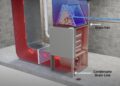
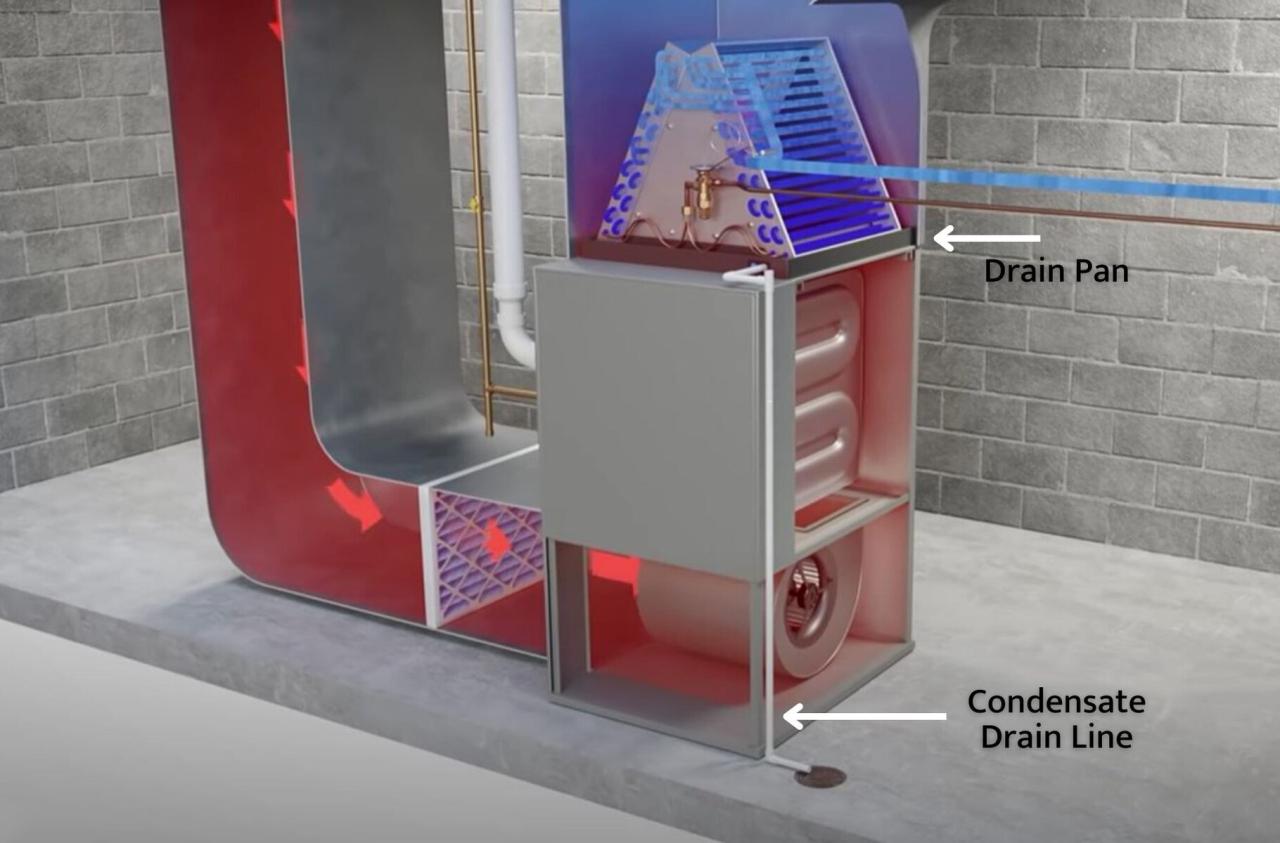
Condensate drain lines play a crucial role in the proper functioning of heating and air systems by removing excess moisture produced during the cooling process. Neglecting these drain lines can lead to a host of issues that can impact the efficiency and performance of your HVAC system.Potential Consequences of Neglecting Condensate Drain Lines
- Clogged condensate drain lines can cause water to back up and overflow, leading to water damage in your home or business.
- Excess moisture trapped in the system can create a breeding ground for mold and mildew, posing health risks to occupants.
- Airflow restrictions caused by clogged drain lines can decrease the efficiency of the system, resulting in higher energy bills.
- If left unaddressed, clogged condensate drain lines can lead to system breakdowns and costly repairs.
Signs of Clogged Condensate Drain Lines
When condensate drain lines get clogged, it can lead to various issues with your HVAC system. Here are some common indicators to look out for:Water Leaks Around the Air Handler
If you notice water pooling around your air handler, it could be a sign that the condensate drain line is clogged. This can lead to water damage and mold growth if not addressed promptly.Musty Odors in the Home
A musty smell in your home can indicate that there is standing water in the condensate drain line, which is a breeding ground for mold and mildew. Cleaning the drain line can help eliminate these odors.High Humidity Levels Indoors
When the condensate drain line is clogged, the moisture collected by the HVAC system cannot drain properly. This can result in increased humidity levels inside your home, making it feel uncomfortable and potentially causing health issues.Ice Build-Up on the Evaporator Coil
A clogged condensate drain line can cause the evaporator coil to freeze up, leading to reduced cooling efficiency and potential damage to the HVAC system. If you notice ice build-up, it's essential to check the drain line for blockages.Unexplained Increase in Energy Bills
A clogged condensate drain line can make your HVAC system work harder to maintain the desired temperature, leading to higher energy consumption and increased utility bills. Keeping the drain line clear can help improve efficiency and reduce energy costs.Cost of Neglecting Maintenance
Ignoring the maintenance of your condensate drain lines can lead to significant financial consequences down the line. It is essential to understand the potential repair costs associated with neglecting these crucial components of your HVAC system.Repair Costs Breakdown
- Repairing water damage caused by a clogged condensate drain line can range from hundreds to thousands of dollars, depending on the extent of the damage.
- Replacing damaged HVAC components, such as the blower motor or control board, due to water damage from neglected drain lines can cost anywhere from $500 to $1500 or more.
- Hiring professional services to unclog or repair a severely clogged condensate drain line can add up to several hundred dollars in labor costs alone.
Regular Maintenance vs
. Repair Costs
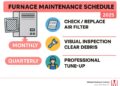
Investing in regular maintenance for your condensate drain lines, such as annual inspections and cleanings, can help prevent costly repairs in the future. The average cost of a maintenance visit typically ranges from $75 to $200, depending on the service provider and the complexity of the system.
Remember, spending a small amount on maintenance now can save you from shelling out a significant sum for repairs later on.
DIY Maintenance Tips
Regular maintenance of condensate drain lines is crucial to prevent clogs and costly repairs. Here are some simple DIY tips to help homeowners keep their HVAC systems running smoothly.Regular Cleaning
- Inspect the drain line regularly for any signs of blockages or buildup.
- Clean the drain line using a mixture of vinegar and water to dissolve any algae or mold.
- Clear the drain line by using a wet/dry vacuum to remove any debris or clogs.
Use a Drain Line Cleaner
- Invest in a drain line cleaner to prevent clogs and keep the line clear of any obstructions.
- Follow the manufacturer's instructions on how to use the cleaner effectively.
- Regularly treat the drain line with the cleaner to maintain optimal performance.
Install a Drain Line Trap
- Add a drain line trap to your HVAC system to catch debris and prevent it from entering the drain line.
- Clean the trap regularly to ensure it is functioning properly and not causing any blockages.
- Consider installing a transparent trap to easily monitor for any buildup or clogs.
Conclusive Thoughts
In conclusion, the discussion on 24 Hour Heating and Air: The Cost of Neglecting Your Condensate Drain Lines sheds light on the critical aspects of HVAC maintenance. Remember, a little care today can save you from costly repairs tomorrow. Take charge of your system's health and enjoy a comfortable indoor environment!
Essential FAQs
How often should I clean my condensate drain lines?
It is recommended to clean your condensate drain lines at least once a year to prevent clogs and ensure optimal HVAC performance.
Can clogged condensate drain lines lead to mold growth?
Yes, clogged drain lines can cause water to back up and create a conducive environment for mold growth, posing health risks.
Is DIY maintenance for condensate drain lines difficult?
No, DIY maintenance for condensate drain lines is relatively simple and can be done with basic tools and cleaning solutions.