
Eco-Friendly Residential HVAC Repair: Upgrading to Low-Emission Refrigerants sets the stage for this enthralling narrative, offering readers a glimpse into a story that is rich in detail and brimming with originality from the outset.
As we delve into the realm of eco-friendly residential HVAC repair and the transition to low-emission refrigerants, a world of innovation and sustainability unfolds before us.
Understanding Low-Emission Refrigerants
Low-emission refrigerants refer to refrigerants that have a lower impact on the environment compared to traditional refrigerants. These refrigerants are designed to reduce greenhouse gas emissions and contribute to a more sustainable HVAC system.Using low-emission refrigerants in HVAC systems offers several environmental benefits. These refrigerants help in reducing the carbon footprint of the system by lowering the emission of harmful gases into the atmosphere. This, in turn, contributes to the global efforts in combating climate change and protecting the environment.Efficiency of Low-Emission Refrigerants
Low-emission refrigerants are known for their efficiency in cooling systems while also being environmentally friendly. Compared to traditional refrigerants, low-emission refrigerants have a lower global warming potential (GWP) and ozone depletion potential (ODP). This means that they have a reduced impact on the environment and are more sustainable in the long run.Overall, the transition to using low-emission refrigerants in residential HVAC systems not only helps in reducing environmental harm but also promotes energy efficiency and sustainability in the household.Importance of Upgrading to Low-Emission Refrigerants
 Upgrading to low-emission refrigerants in residential HVAC systems is crucial in combating global warming and reducing the carbon footprint of households. The refrigerants used in HVAC systems have a significant impact on the environment, as they contribute to the depletion of the ozone layer and are potent greenhouse gases.
Impact of Refrigerants on Global Warming
Refrigerants such as hydrofluorocarbons (HFCs) and chlorofluorocarbons (CFCs) are known for their high global warming potential. When released into the atmosphere, these refrigerants trap heat and contribute to the greenhouse effect, leading to climate change. By upgrading to low-emission refrigerants with lower global warming potential, homeowners can significantly reduce their carbon emissions and help mitigate the effects of global warming.Eco-Friendly Residential HVAC Repair Practices
- Conduct regular maintenance to ensure optimal performance and efficiency of the HVAC system. - Replace old and inefficient HVAC units with energy-efficient models that use low-emission refrigerants. - Seal ducts and insulate the home to prevent energy loss and reduce the workload on the HVAC system. - Use programmable thermostats to optimize heating and cooling cycles and reduce energy consumption.Case Studies of Homes Upgraded to Low-Emission Refrigerants
Many homes have successfully upgraded to low-emission refrigerants, resulting in improved energy efficiency and reduced environmental impact. For example, a family in xyz city saw a significant decrease in their energy bills after upgrading their HVAC system to use low-emission refrigerants. This not only saved them money but also contributed to a greener and more sustainable lifestyle.Process of Upgrading HVAC Systems with Low-Emission Refrigerants
When it comes to upgrading HVAC systems with low-emission refrigerants, there are several key steps involved in the process. This transition is crucial for reducing environmental impact and improving energy efficiency in residential buildings.Replacing Traditional Refrigerants
- Evaluation: HVAC technicians initially assess the current system to determine the type of refrigerant being used and its compatibility with low-emission alternatives.
- Selection: Based on the evaluation, a suitable low-emission refrigerant is chosen to replace the traditional one, taking into account factors like system compatibility and environmental impact.
- Installation: The HVAC technician then proceeds with draining the old refrigerant, flushing the system, and installing the new low-emission refrigerant according to manufacturer guidelines.
- Testing: Once the new refrigerant is in place, the system is thoroughly tested to ensure optimal performance and efficiency.
Costs Associated with Upgrading
- Equipment: The cost of the low-emission refrigerant itself, as well as any additional equipment needed for the installation process, can contribute to the overall expenses.
- Labor: Hiring HVAC technicians to perform the upgrade and ensure it is done correctly also adds to the total cost of transitioning to eco-friendly refrigerants.
- Long-Term Savings: While there are upfront costs associated with upgrading, the long-term savings from improved energy efficiency and reduced environmental impact can offset these expenses over time.
Role of HVAC Technicians
- Expertise: HVAC technicians play a crucial role in facilitating the transition to low-emission refrigerants by utilizing their knowledge and skills to assess, select, and install the new system components.
- Compliance: Technicians ensure that the upgrade complies with industry regulations and standards to guarantee the safety and effectiveness of the HVAC system.
- Educating Homeowners: HVAC professionals also educate homeowners on the benefits of upgrading to low-emission refrigerants and provide guidance on maintenance practices to maximize system efficiency.
Environmental Regulations and Standards
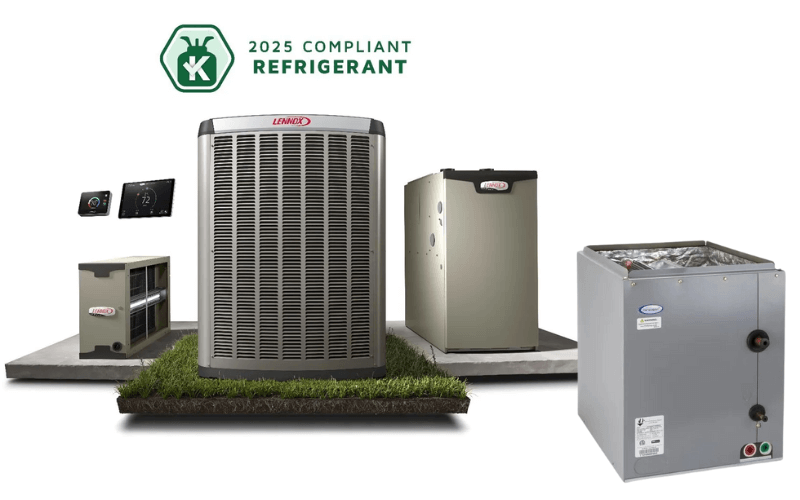 Environmental regulations play a crucial role in shaping the HVAC industry, particularly concerning the use of refrigerants. These regulations are put in place to mitigate the environmental impact of HVAC systems and ensure the safety of both occupants and the environment.
Current Regulations on Refrigerants
- The Montreal Protocol: This international treaty aims to phase out the use of ozone-depleting substances, including hydrochlorofluorocarbons (HCFCs) and chlorofluorocarbons (CFCs), which were commonly used as refrigerants in older HVAC systems.
- The Kigali Amendment: Building upon the Montreal Protocol, this amendment focuses on reducing the use of hydrofluorocarbons (HFCs), which are potent greenhouse gases. It sets specific targets for the phasedown of HFCs to combat climate change.
Benefits of Compliance with Environmental Standards
- Reduced Environmental Impact: By upgrading to low-emission refrigerants that comply with environmental standards, residential HVAC systems can significantly reduce their carbon footprint and contribute to a healthier planet.
- Improved Energy Efficiency: Many low-emission refrigerants are also more energy-efficient, leading to lower energy consumption and reduced operating costs for homeowners.
Future Trends in Low-Emission Refrigerants
- Natural Refrigerants: As awareness of environmental issues grows, there is a shift towards natural refrigerants such as hydrocarbons, ammonia, and carbon dioxide. These refrigerants have minimal impact on the environment and offer sustainable alternatives for residential HVAC systems.
- Advanced Technologies: With ongoing research and development, new low-emission refrigerants with even lower global warming potential are being introduced to meet future environmental standards and regulations.
Final Conclusion
In conclusion, the journey towards Eco-Friendly Residential HVAC Repair: Upgrading to Low-Emission Refrigerants is not just about environmental consciousness but also about creating a healthier and more sustainable future for generations to come.
Top FAQs
What are low-emission refrigerants?
Low-emission refrigerants are environmentally friendly alternatives used in HVAC systems to reduce greenhouse gas emissions.
How do low-emission refrigerants benefit the environment?
Low-emission refrigerants help combat global warming by lowering the carbon footprint of HVAC systems and reducing ozone depletion.
What are the costs associated with upgrading to low-emission refrigerants?
The costs vary depending on the size of the HVAC system and the type of refrigerant chosen, but the long-term savings from energy efficiency often outweigh the initial investment.
What role do HVAC technicians play in transitioning to eco-friendly refrigerants?
HVAC technicians are crucial in guiding homeowners through the process of upgrading to low-emission refrigerants, ensuring proper installation and maintenance for optimal performance.
What are the current regulations regarding refrigerants and their environmental impact?
Regulations aim to phase out harmful refrigerants and promote the use of low-emission alternatives to protect the environment and improve air quality.