
24 Hour Heating and Air: What Counts as a True HVAC Emergency? sets the stage for this enthralling narrative, offering readers a glimpse into a story that is rich in detail with casual formal language style and brimming with originality from the outset.
Exploring the criteria, scenarios, and preventative measures surrounding HVAC emergencies opens up a world of possibilities in understanding the importance of timely and efficient responses to such critical situations.
What is Considered a True HVAC Emergency?
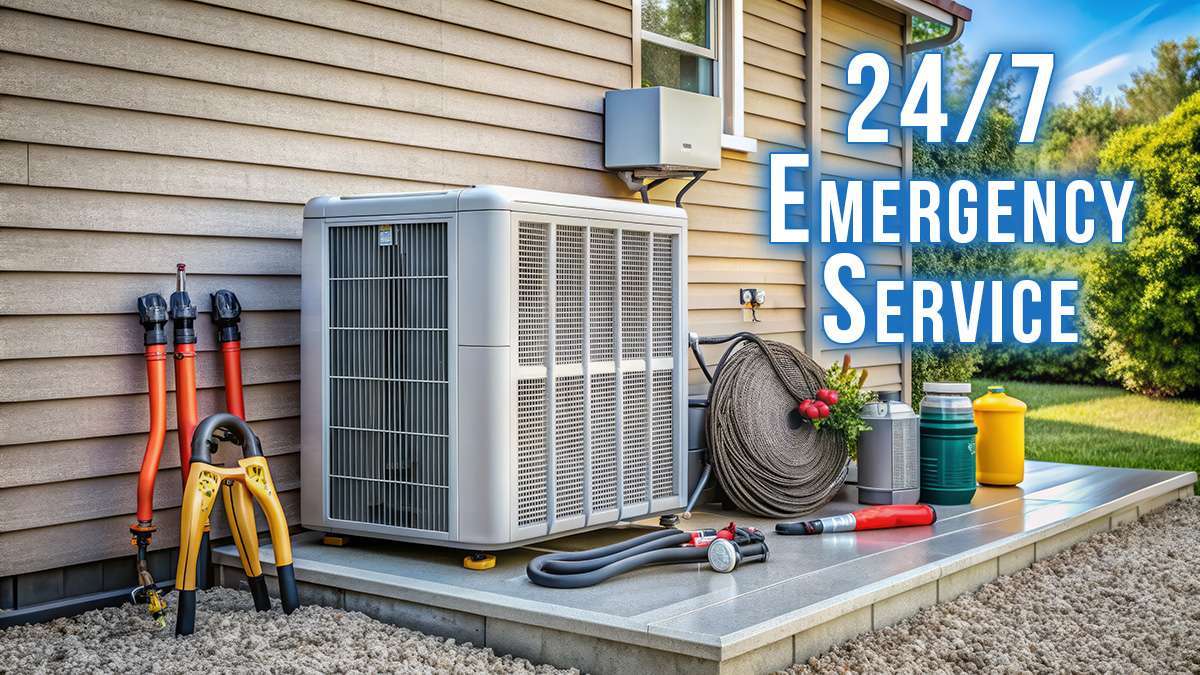 When it comes to heating, ventilation, and air conditioning (HVAC) systems, emergencies can arise that require immediate attention to avoid further damage or discomfort. Understanding what constitutes a true HVAC emergency is crucial in ensuring the safety and well-being of your home or business.An HVAC emergency is typically defined by the severity of the issue and its impact on the overall functionality of the system. Here are some criteria that determine whether a heating and air problem qualifies as an emergency:
Examples of HVAC Emergencies
- Complete loss of heating or cooling in extreme weather conditions
- Gas leaks or carbon monoxide detection
- Strange and strong odors coming from the HVAC system
- Unusual noises such as banging, clanking, or screeching
- Water leaks or flooding around the HVAC unit
Risks of Neglecting HVAC Emergencies
- Health hazards due to exposure to gas leaks or carbon monoxide
- Increased energy bills from an inefficient system
- Permanent damage to the HVAC unit, leading to costly repairs or replacements
- Decreased indoor air quality, impacting respiratory health
Common HVAC Emergency Scenarios
When it comes to HVAC emergencies, certain scenarios can cause significant disruptions and risks to your home comfort and safety. Let's explore some common HVAC emergency situations that may require immediate attention.Complete System Failure
- A complete system failure, where your heating or cooling unit stops working altogether, can be a major HVAC emergency.
- This can result in uncomfortable indoor temperatures, especially during extreme weather conditions.
- Immediate professional intervention is necessary to diagnose and repair the issue to restore your home's comfort.
Gas Leaks
- Gas leaks from your furnace or HVAC system can pose serious health risks to you and your family.
- Gas leaks are not only a safety hazard but can also lead to carbon monoxide poisoning if not addressed promptly.
- If you suspect a gas leak, evacuate your home immediately and contact emergency services and a qualified HVAC technician.
Impact of Extreme Weather Conditions
- Extreme weather conditions, such as heatwaves or cold snaps, can put a strain on your HVAC system.
- During heatwaves, your air conditioner may struggle to keep up with cooling demands, leading to overheating and potential breakdowns.
- In freezing temperatures, your furnace may work overtime, increasing the risk of malfunctions or system failures.
Experiences and Anecdotes
- Many homeowners have shared experiences of waking up in the middle of the night to a freezing home due to a malfunctioning heater.
- Anecdotes of discovering gas leaks and quickly evacuating their homes to ensure safety highlight the importance of being vigilant about HVAC emergencies.
- Urgent HVAC situations can be stressful and disruptive, underscoring the need for prompt professional assistance.
Handling HVAC Emergencies
 In times of HVAC emergencies, it's crucial to know how to react swiftly and effectively to prevent further damage to your system and ensure the safety and comfort of your household.
Steps to Take During an HVAC Emergency
- Shut Down the System: If you notice any unusual sounds, leaks, or odors coming from your HVAC system, turn it off immediately to prevent any potential hazards.
- Contact HVAC Professionals: Reach out to licensed HVAC technicians who specialize in emergency repair services. They have the expertise and tools to quickly diagnose and fix the issue.
- Have a Contingency Plan: It's essential to have a plan in place for HVAC emergencies, including contact information for reliable technicians and knowledge of how to shut off your system if needed.
DIY Solutions vs. Professional Intervention
- DIY Solutions: While some minor HVAC issues can be resolved through DIY methods like changing filters or cleaning vents, it's important to recognize when a problem requires professional attention. Attempting complex repairs without the proper knowledge can lead to further damage and safety risks.
- Professional Intervention: HVAC emergencies, such as gas leaks or electrical malfunctions, should always be handled by trained professionals. They have the skills, experience, and equipment to address critical issues safely and effectively.
Preventative Measures for HVAC Emergencies
Regular maintenance is key to minimizing the risk of sudden HVAC failures. By following some simple tips and being proactive, you can prevent emergencies before they happen.Maintenance Practices
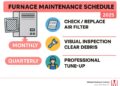
- Schedule annual HVAC inspections by a professional technician to ensure all components are working correctly.
- Regularly change air filters to improve system efficiency and prevent blockages.
- Keep outdoor units free from debris and vegetation to maintain proper airflow.
Identifying Warning Signs
- Listen for unusual noises like banging, clanking, or screeching coming from your HVAC system.
- Pay attention to inconsistent temperatures or frequent cycling on and off, which may indicate a problem.
- Look for leaks or moisture around your HVAC unit, as this could signal a potential issue.
Role of Proper Insulation and Air Quality
Proper insulation helps regulate indoor temperatures and reduce strain on your HVAC system. Additionally, maintaining good air quality through regular cleaning and ventilation can prevent dust and debris from affecting your system's performance.Last Recap
As we wrap up our discussion on what truly constitutes an HVAC emergency, it becomes evident that preparedness and awareness are key factors in ensuring the safety and functionality of heating and air systems. Stay informed, stay proactive, and remember that when it comes to HVAC emergencies, every minute counts.
FAQ Corner
What defines a true HVAC emergency?
A true HVAC emergency is typically a situation that poses immediate risks to health, safety, or property, such as a complete system failure or gas leak.
What should I do in case of an HVAC emergency?
In an HVAC emergency, it's crucial to shut down the system, evacuate if necessary, and contact professional HVAC services immediately.
How can I prevent HVAC emergencies?
Regular maintenance, identifying warning signs early, and ensuring proper insulation and air quality are key preventive measures to avoid HVAC emergencies.