
Exploring the critical need for Emergency Heating and Air Solutions for Vulnerable Households During Heatwaves, this introduction sets the stage for a comprehensive discussion on the challenges faced by vulnerable communities and the effective solutions available to mitigate them.
In the following paragraphs, we will delve into the various types of emergency heating and cooling solutions, government initiatives and support programs, and the importance of regular maintenance to ensure households are prepared for extreme weather conditions.
Overview of Emergency Heating and Air Solutions
Emergency heating and air solutions play a crucial role in ensuring the well-being of vulnerable households during heatwaves. These solutions are vital in providing relief and protection from extreme temperatures, safeguarding the health and safety of individuals at risk.
Key Challenges Faced by Vulnerable Households During Extreme Temperatures
Vulnerable households face numerous challenges during heatwaves, including:
- Lack of access to proper cooling equipment
- Health issues exacerbated by extreme heat
- Financial constraints preventing the purchase of air conditioning units
- Limited mobility to seek shelter in cooler environments
Significance of Quick Response and Effective Solutions
Quick response and effective solutions are essential in mitigating the impact of heatwaves on vulnerable households. Timely intervention can prevent heat-related illnesses, reduce discomfort, and ensure the overall well-being of individuals in need. Properly implemented solutions can make a significant difference in saving lives and alleviating the suffering caused by extreme temperatures.
Types of Emergency Heating Solutions
When it comes to emergency heating solutions for vulnerable households during heatwaves, a variety of options are available to help ensure the safety and well-being of residents. These solutions are designed to provide temporary relief and warmth when traditional heating systems are unavailable or insufficient.Portable Heaters
Portable heaters are a popular choice for emergency heating solutions due to their versatility and ease of use. These heaters come in various sizes and types, including electric, propane, and kerosene models. Portable heaters can quickly warm up small spaces, making them ideal for bedrooms or living areas.Electric Blankets
Electric blankets are another effective emergency heating solution, especially for individuals who may have difficulty moving around to adjust traditional heating systems. These blankets provide direct warmth to the user, helping to maintain a comfortable temperature during colder weather conditions.Other Temporary Heating Options
In addition to portable heaters and electric blankets, there are other temporary heating options available for emergency situations. These may include heated pads, thermal wraps, and heated clothing items. These innovative solutions are designed to provide targeted heat to specific areas of the body, offering personalized comfort and warmth.It is important for vulnerable households to have access to a range of emergency heating solutions to ensure their safety and well-being during extreme weather conditions. By utilizing portable heaters, electric blankets, and other temporary heating options, residents can stay warm and comfortable when traditional heating systems are not available.Types of Emergency Air Cooling Solutions
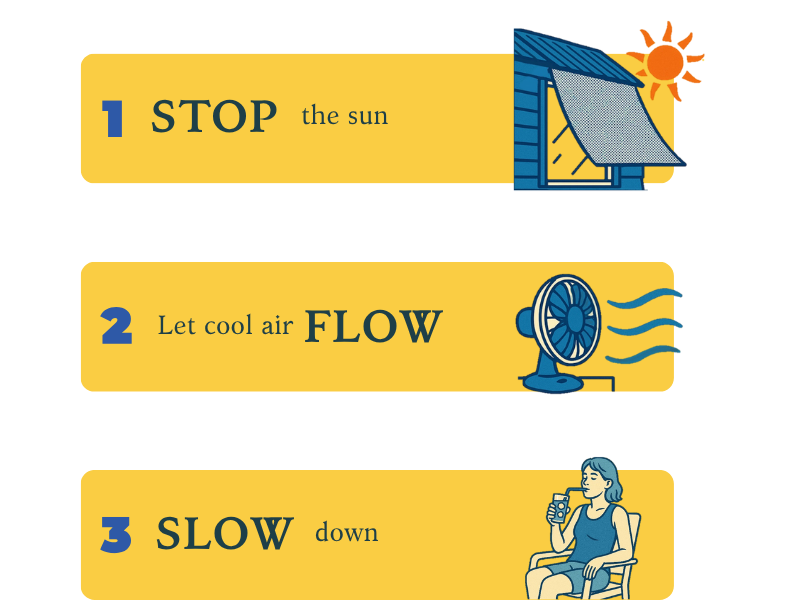
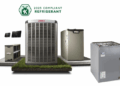
When it comes to combating the heat during a heatwave, there are various air cooling solutions that can be deployed to provide relief. These solutions range from portable air conditioners to fans and evaporative coolers, each with its own effectiveness in cooling indoor spaces.
Portable Air Conditioners
Portable air conditioners are a popular choice for cooling specific rooms or areas quickly. These units are easy to install and can be moved around as needed, making them a versatile option for cooling during heatwaves.
Fans
Fans are a cost-effective way to circulate air and create a cooling breeze in a room. While they may not lower the temperature of the room, fans can help improve comfort by providing airflow and reducing humidity
Evaporative Coolers
Evaporative coolers, also known as swamp coolers, work by using water to cool the air through evaporation. These units are energy-efficient and can be a sustainable cooling option for households looking to reduce their energy usage during heatwaves.
Government Initiatives and Support Programs
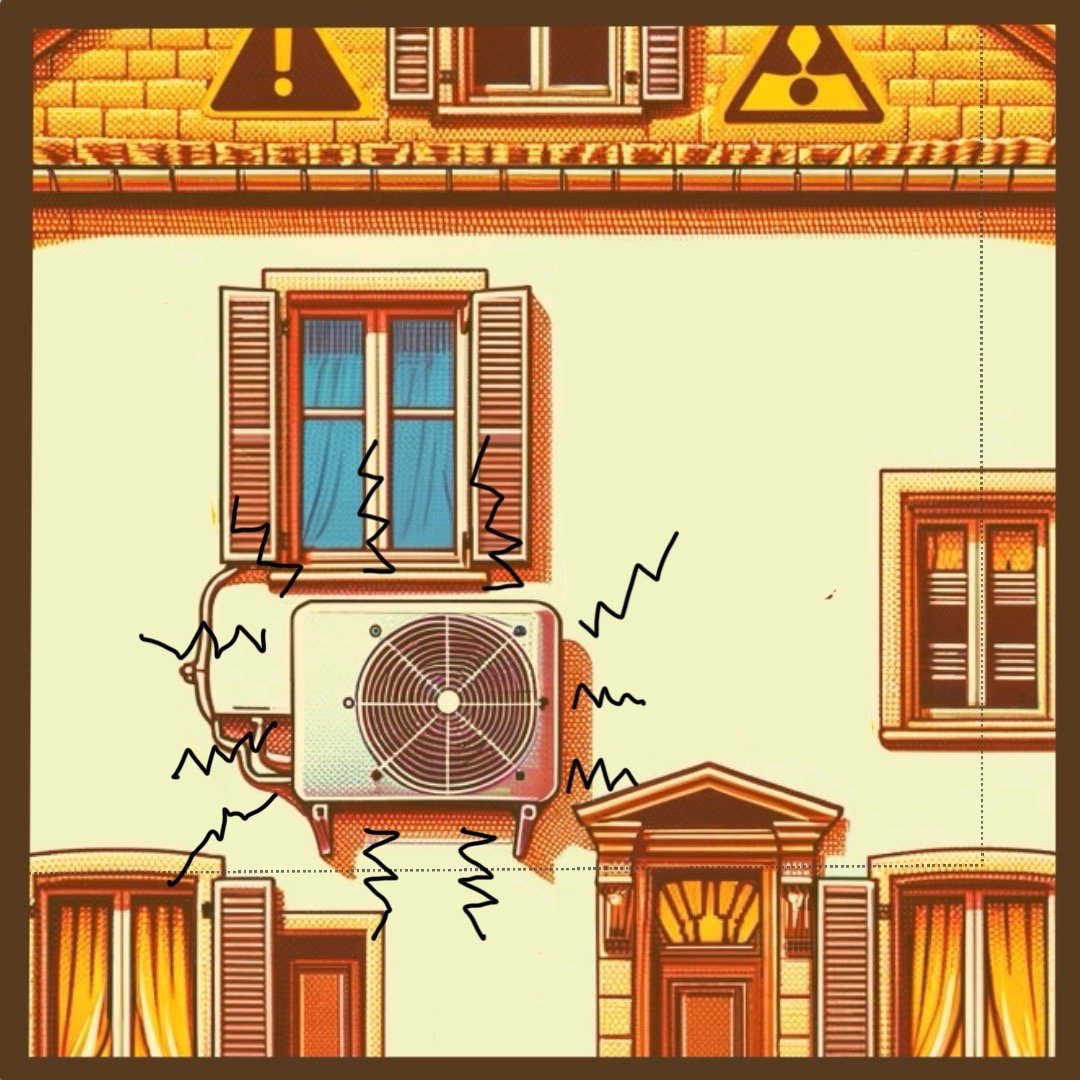 Government initiatives and support programs play a crucial role in providing emergency heating and air solutions to vulnerable households during heatwaves. These programs aim to ensure that all individuals have access to safe and comfortable living conditions, especially during extreme weather conditions.
Government Programs for Emergency Heating and Air Solutions
- One example of a government initiative is the Low Income Home Energy Assistance Program (LIHEAP), which provides financial assistance to low-income households for heating and cooling needs.
- The Weatherization Assistance Program (WAP) helps improve the energy efficiency of homes, reducing the need for excessive heating and cooling during heatwaves.
Role of Community Organizations and Non-Profits
Community organizations and non-profits play a vital role in supporting government initiatives by providing additional resources and assistance to vulnerable households. They often collaborate with local authorities to identify those in need and deliver emergency heating and air solutions promptly.Success Stories of Government Support
During a recent heatwave, government support through programs like LIHEAP and WAP helped numerous households stay cool and safe, preventing heat-related illnesses and fatalities.
Collaboration between government agencies, community organizations, and non-profits ensured that emergency heating and air solutions were quickly deployed to those most in need, making a significant impact on the community.
Importance of Regular Maintenance and Preparedness
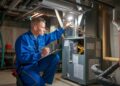
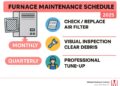
Regular maintenance of heating and cooling systems is crucial for vulnerable households, especially during heatwaves. Proper maintenance ensures that these systems function efficiently when needed the most, preventing breakdowns and costly repairs.Tips for Household Preparedness
- Regularly schedule professional maintenance checks for heating and cooling systems to ensure they are in optimal condition.
- Keep emergency contact numbers handy for HVAC technicians in case of sudden breakdowns during extreme weather.
- Stock up on essential supplies like extra filters, batteries, and insulation materials to handle emergencies promptly.
- Create an emergency plan with family members on how to stay cool and safe during heatwaves, including knowing the nearest cooling centers or shelters.
- Consider investing in a backup power source, such as a generator, to ensure continuous operation of heating or cooling systems during power outages.
Role of Education and Awareness
Education and awareness play a significant role in ensuring households are well-equipped to handle emergencies related to heating and cooling systems. By educating residents on the importance of regular maintenance and preparedness, they can take proactive steps to mitigate risks and protect their homes and families.Final Conclusion
In conclusion, it is evident that prompt response and effective solutions are crucial in safeguarding vulnerable households during heatwaves. By understanding the significance of emergency heating and air solutions, communities can better prepare and support those in need during challenging times.
Questions and Answers
What are some common challenges faced by vulnerable households during extreme temperatures?
Some common challenges include affordability of heating or cooling solutions, lack of access to proper equipment, and health risks associated with extreme temperatures.
Are there any innovative heating solutions specifically designed for emergency situations?
Yes, there are innovative solutions such as portable solar heaters, emergency heating blankets, and compact heat pumps that are tailored for quick deployment in emergency scenarios.
How can households prepare in advance for extreme weather conditions?
Households can prepare by creating an emergency plan, stocking up on essential supplies like water and non-perishable food, and ensuring their heating and cooling systems are well-maintained.