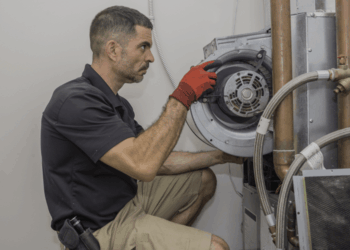

Beginning with Home Furnace Repair: Replacing Blower Motors vs. Buying a New Energy-Star Unit, the narrative unfolds in a compelling and distinctive manner, drawing readers into a story that promises to be both engaging and uniquely memorable.
As we delve deeper into the comparison between replacing blower motors and investing in new Energy-Star units, we uncover crucial insights that can help homeowners make informed decisions regarding their furnace systems.
Understanding Blower Motors
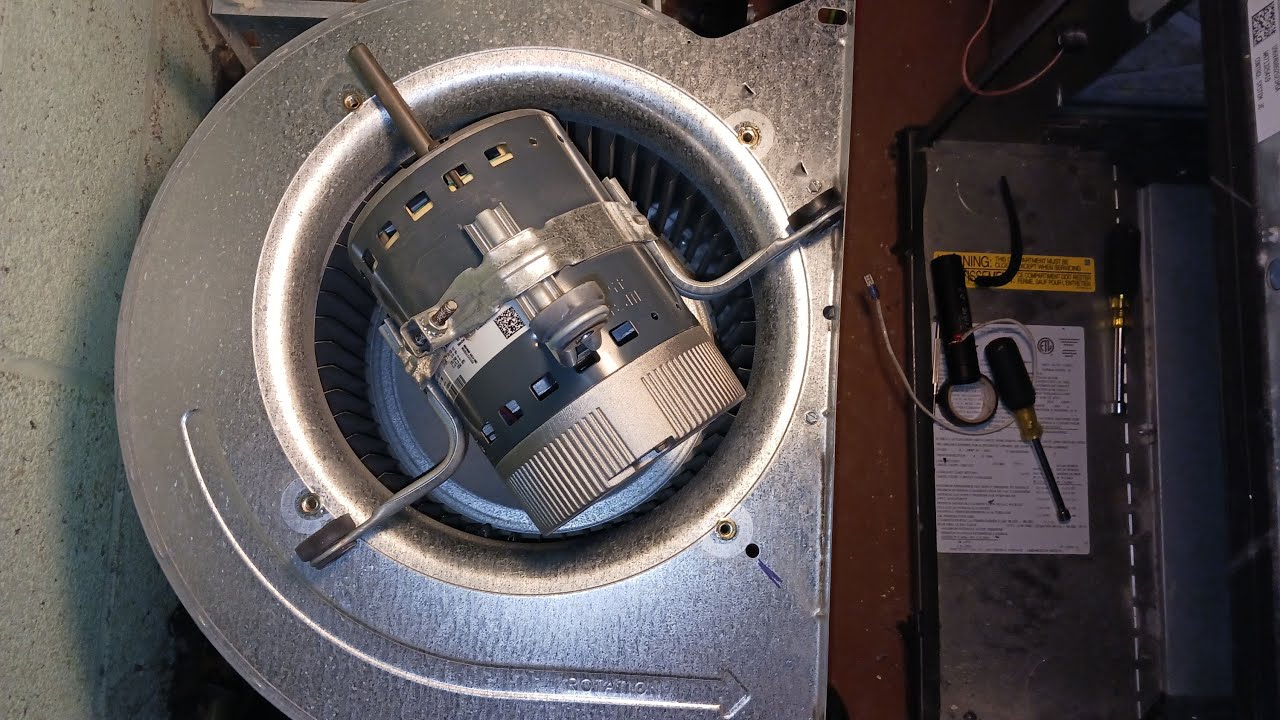
In a home furnace system, the blower motor plays a crucial role in circulating air throughout the house. It is responsible for pushing warm air from the furnace into the ductwork and distributing it evenly to maintain a comfortable temperature.
Function of Blower Motors
- The blower motor is essential for ensuring proper airflow and ventilation in the home.
- It helps to distribute heat evenly, preventing hot or cold spots in different areas of the house.
- Without a functioning blower motor, the furnace may struggle to maintain the desired temperature, leading to discomfort and inefficiency.
Common Issues with Blower Motors
- Over time, blower motors can wear out due to constant use and age, leading to decreased efficiency.
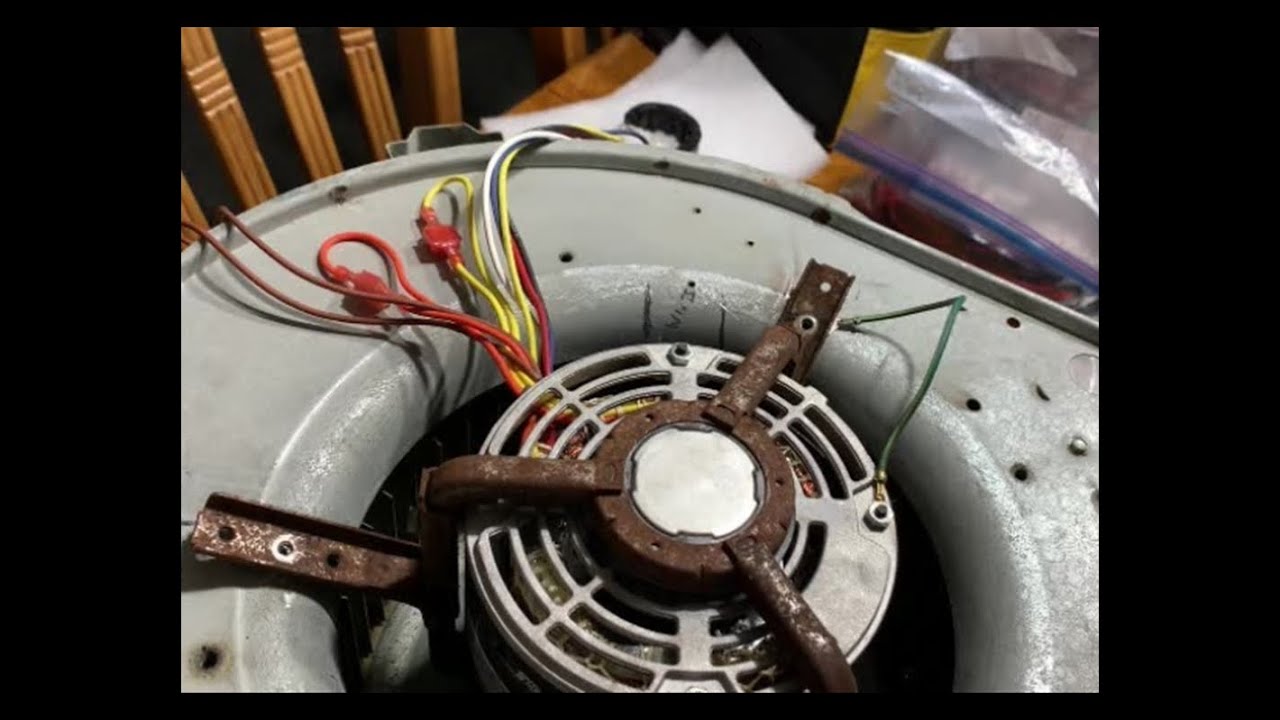
- Dirt and debris accumulation can cause the motor to work harder, potentially causing overheating or breakdowns.
- Faulty electrical connections or motor bearings can also result in blower motor malfunctions.
Lifespan of Blower Motors
The typical lifespan of a blower motor in a residential furnace can vary depending on usage and maintenance. On average, blower motors can last anywhere from 10 to 20 years with proper care and regular servicing. However, factors such as dust and dirt buildup, lack of lubrication, or electrical issues can shorten the motor's lifespan.
Repairing vs. Replacing Blower Motors
When faced with a malfunctioning blower motor in your home furnace, you may wonder whether it's better to repair the existing motor or replace it with a new one. This decision often comes down to cost, efficiency, and the overall condition of the motor.Cost Implications
Repairing a blower motor can be a cost-effective option if the issue is minor and the motor is not too old. However, if the repairs are extensive or the motor is nearing the end of its lifespan, replacing it might be a more practical long-term solution. Consider the cost of parts and labor for repairs versus the upfront cost of a new blower motor to make an informed decision.Signs of Repair or Replacement
Signs that indicate a blower motor needs repair or replacement include unusual noises, reduced airflow, inconsistent heating or cooling, and increased energy bills. If you notice any of these issues, it's essential to have a professional HVAC technician inspect the motor to determine the best course of action.Efficiency Comparison
A newly replaced blower motor is likely to be more energy-efficient and reliable than a repaired one. While repairs can address immediate issues, they may not enhance the overall efficiency of the motor. In contrast, a new energy-star rated blower motor can provide better performance, lower energy consumption, and improved indoor comfort in the long run.Energy-Star Units
Energy-Star units are appliances that meet strict energy efficiency guidelines set by the Environmental Protection Agency (EPA). These units are designed to consume less energy, reduce greenhouse gas emissions, and ultimately save homeowners money on their utility bills.
Features of Energy-Star Furnaces
- High-efficiency motors: Energy-Star furnaces are equipped with high-efficiency blower motors that consume less electricity while still providing optimal airflow.
- Advanced heat exchangers: These units have advanced heat exchangers that maximize heat transfer, ensuring more efficient heating of the home.
- Programmable thermostats: Energy-Star furnaces come with programmable thermostats that allow homeowners to set specific temperatures for different times of the day, optimizing energy usage.
- Zoned heating: Some Energy-Star units offer zoned heating capabilities, allowing homeowners to heat specific areas of the home as needed, reducing energy waste.
Benefits of Energy-Star Units
- Lower energy bills: Energy-Star units are designed to consume less energy, resulting in lower monthly utility bills for homeowners.
- Environmental impact: By reducing energy consumption, Energy-Star units help decrease greenhouse gas emissions and contribute to a healthier environment.
- Long-term savings: While Energy-Star units may have a higher upfront cost, the long-term savings on energy bills make them a cost-effective choice for homeowners.
Factors to Consider
 When deciding between repairing or replacing a blower motor or investing in a new Energy-Star unit, several factors should be taken into consideration to make an informed decision.
Age of the Furnace
The age of your furnace plays a significant role in determining whether to repair or replace the blower motor. If your furnace is nearing the end of its lifespan, it may be more cost-effective to invest in a new Energy-Star unit rather than continuously repairing an old system.Overall Condition
Assessing the overall condition of your furnace is crucial. If your furnace has been well-maintained and only requires minor repairs, replacing the blower motor could be a viable option. However, if the system has multiple issues or is in poor condition, it may be more practical to opt for a new, energy-efficient furnace.Energy Efficiency
Consider the energy efficiency of your current furnace. Older units tend to be less energy-efficient, resulting in higher utility bills. Upgrading to an Energy-Star furnace can lead to significant energy savings over time, making it a worthwhile investment.Upfront Costs Comparison
When comparing the upfront costs of replacing a blower motor versus buying a new Energy-Star unit, it's essential to factor in not only the cost of the unit itself but also installation costs and potential savings on energy bills. While replacing a blower motor may seem like a more budget-friendly option initially, investing in an energy-efficient furnace can result in long-term savings.Rebates and Incentives
It's worth exploring any rebates or incentives available for upgrading to an Energy-Star furnace. Many utility companies and government programs offer financial incentives to encourage homeowners to invest in energy-efficient heating systems. Taking advantage of these programs can help offset the cost of purchasing a new furnace, making it a more attractive option.Last Recap
In conclusion, the choice between repairing a blower motor and purchasing a new Energy-Star unit depends on various factors such as cost, efficiency, and long-term savings. By weighing these considerations carefully, individuals can ensure optimal performance and energy efficiency in their homes.
Detailed FAQs
What is the typical lifespan of blower motors in residential furnaces?
The average lifespan of blower motors in residential furnaces ranges from 10 to 20 years, depending on usage and maintenance. Regular servicing can help extend their longevity.
What are the signs that indicate a blower motor needs repair or replacement?
Common signs include unusual noises, reduced airflow, inconsistent heating, or increased energy bills. If you notice any of these issues, it's advisable to seek professional assistance.
Are there any rebates or incentives available for upgrading to an Energy-Star furnace?
Yes, many utility companies and government programs offer rebates or incentives for installing Energy-Star certified appliances, including furnaces. It's worth exploring these options to save on costs.