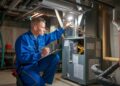

Exploring the significance of regular maintenance in reducing the necessity for urgent residential HVAC repair, this introduction sets the stage for an insightful discussion. It delves into the key benefits of proactive maintenance practices and their impact on the longevity and efficiency of HVAC systems.
Furthermore, it highlights the cost-effectiveness of regular maintenance compared to unexpected repair expenses, emphasizing the value of preventive care in ensuring optimal performance and longevity of residential HVAC systems.
Importance of Regular Maintenance
Regular maintenance is essential for residential HVAC systems to ensure they operate efficiently and effectively. By conducting routine maintenance, homeowners can prevent the need for urgent repairs, saving time, money, and inconvenience in the long run.Preventative Maintenance Tasks
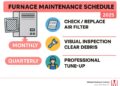
- Changing air filters regularly: Dirty filters can restrict airflow, causing the system to work harder and potentially leading to breakdowns.
- Cleaning and inspecting ductwork: Dust and debris can accumulate in the ducts, reducing indoor air quality and putting strain on the HVAC system.
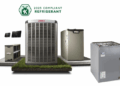
- Checking refrigerant levels: Low refrigerant can indicate a leak and cause the system to malfunction, leading to costly repairs.
- Inspecting and cleaning the outdoor unit: Debris can obstruct the airflow and affect the system's performance.
Cost-Effectiveness of Regular Maintenance
Regular maintenance of your residential HVAC system can prove to be extremely cost-effective in the long run. By investing in routine maintenance, you can prevent major breakdowns or issues that may require urgent and expensive repairs. Let's delve into the details of how regular maintenance can save you money and compare the costs involved.Reduced Repair Costs
Regular maintenance helps in identifying and addressing minor issues before they escalate into major problems. This proactive approach not only ensures the smooth functioning of your HVAC system but also helps in avoiding costly repairs that may arise due to neglected maintenance. By conducting regular inspections, cleaning, and tune-ups, you can significantly reduce the risk of unexpected breakdowns, which can save you a substantial amount of money in repair costs.Longer Equipment Lifespan
One of the key benefits of regular maintenance is that it prolongs the lifespan of your HVAC equipment. By ensuring that your system is well-maintained and operating efficiently, you can avoid premature wear and tear that may lead to the need for costly replacements. Investing in routine maintenance can help you get the most out of your HVAC system and delay the need for expensive upgrades or replacements.Preventing Costly Emergencies
Regular maintenance can also prevent costly emergencies that may arise when your HVAC system breaks down unexpectedly. By scheduling regular maintenance appointments with a professional technician, you can identify potential issues early on and address them before they escalate into urgent repair situations. This proactive approach not only saves you money on emergency repair services but also ensures that your HVAC system operates efficiently throughout the year.Overall, the cost-effectiveness of regular maintenance cannot be overstated. By prioritizing routine maintenance for your residential HVAC system, you can save money in the long run, avoid expensive repairs, extend the lifespan of your equipment, and prevent costly emergencies. It's a smart investment that pays off in terms of both financial savings and peace of mind.Extending Lifespan of HVAC Systems
Regular maintenance plays a crucial role in extending the lifespan of residential HVAC systems. By implementing a consistent maintenance schedule, homeowners can ensure that their HVAC units operate efficiently and last longer.Key Components Benefitting from Regular Upkeep
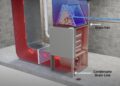
- Filters: Regularly changing or cleaning filters prevents dust and debris buildup, allowing the system to function smoothly without overworking.
- Coils: Cleaning coils helps maintain proper heat transfer, reducing strain on the system and preventing breakdowns.
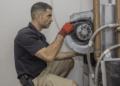
- Fan Blades: Keeping fan blades clean and balanced ensures proper airflow and minimizes wear and tear on the motor.
Correlation Between Maintenance Frequency and HVAC System Durability
Regular maintenance not only addresses immediate issues but also prevents future problems that could lead to costly repairs or premature system failure. The frequency of maintenance directly impacts the durability of HVAC systems. Systems that receive routine maintenance are more likely to operate efficiently and have a longer lifespan compared to those that are neglected. By scheduling regular inspections, cleaning, and tune-ups, homeowners can maximize the longevity of their HVAC systems and avoid unexpected breakdowns.Energy Efficiency and Regular Maintenance
Regular maintenance plays a crucial role in improving energy efficiency within residential HVAC systems. By ensuring that all components are clean, well lubricated, and operating efficiently, homeowners can experience significant savings on their energy bills.Optimized HVAC Systems Lower Energy Bills
- Properly maintained HVAC systems can reduce energy consumption by up to 15%, resulting in lower monthly utility costs.
- Regularly changing air filters and cleaning coils can improve airflow and reduce the workload on the system, leading to energy savings.
- Ensuring that ductwork is sealed and insulated properly can prevent energy loss and improve overall system efficiency.
Neglecting Maintenance Leads to Energy Wastage
- Dirty filters, clogged ducts, and worn-out components can cause HVAC systems to work harder, consuming more energy and driving up utility costs.
- Lack of regular maintenance can lead to inefficient operation, resulting in energy wastage and higher electricity bills.
- An HVAC system struggling to maintain the desired temperature due to lack of maintenance can consume excess energy, impacting energy efficiency.
Conclusion

In conclusion, the proactive approach of regular maintenance not only minimizes the need for urgent residential HVAC repair but also enhances energy efficiency and extends the lifespan of HVAC systems. By investing in routine upkeep, homeowners can enjoy long-term savings and peace of mind, knowing that their HVAC systems are operating at peak performance levels.
FAQ Summary
Why is regular maintenance important for residential HVAC systems?
Regular maintenance helps identify and address potential issues early on, preventing major breakdowns and costly repairs down the line. It also ensures optimal performance and efficiency of the HVAC system.
How does regular maintenance save money in the long run?
By catching minor issues early through regular maintenance, homeowners can avoid expensive emergency repairs and prolong the lifespan of their HVAC systems, ultimately saving on repair and replacement costs.
What are some common maintenance tasks that can minimize the need for urgent repairs?
Tasks like changing air filters, cleaning ducts, inspecting for leaks, and lubricating moving parts can help prevent system failures and the need for urgent repairs.