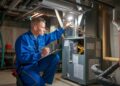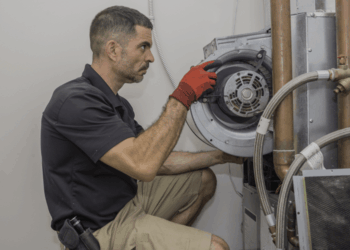

As How Home Furnace Repair Techs Optimize Energy Efficiency for Older Heating Systems takes center stage, this opening passage beckons readers with a captivating overview of the strategies used by professionals to enhance the performance of aging heating systems.
The following paragraphs delve into specific techniques and cost-saving benefits that come with optimizing energy efficiency in older heating systems.
Optimizing Energy Efficiency for Older Heating Systems
Optimizing energy efficiency in older heating systems is crucial for reducing energy costs, minimizing environmental impact, and ensuring optimal performance. Home furnace repair technicians employ various techniques to enhance the efficiency of these systems, ultimately leading to significant cost savings for homeowners.
Regular Maintenance and Cleaning
- Performing regular maintenance tasks such as cleaning or replacing air filters, checking ductwork for leaks, and ensuring proper airflow can improve the overall efficiency of the heating system.
- Dirty filters and clogged ducts can restrict airflow, causing the system to work harder and consume more energy. By keeping these components clean, the system can operate more efficiently.
Upgrading to Programmable Thermostats
- Installing a programmable thermostat allows homeowners to set specific temperature schedules based on their daily routines, optimizing energy usage and reducing unnecessary heating when no one is home.
- With programmable thermostats, older heating systems can be controlled more effectively, ensuring they operate only when needed, leading to energy savings over time.
Sealing Air Leaks and Insulating Ductwork
- Identifying and sealing air leaks in the home, especially around windows, doors, and other openings, can prevent heat loss and improve the efficiency of the heating system.
- Properly insulating ductwork can also prevent heat loss during distribution, allowing the heated air to reach its intended destination without escaping through gaps or leaks.
By implementing these energy-saving techniques, homeowners can potentially reduce their heating costs by up to 20% while extending the lifespan of their older heating systems.
Common Issues in Older Heating Systems
Older heating systems often face a variety of common issues that can significantly impact their energy efficiency and overall performance. It is essential to be aware of these issues and recognize warning signs that indicate the need for repair or maintenance.
Air Leaks in Ductwork
Air leaks in the ductwork of older heating systems can lead to significant energy loss. These leaks allow heated air to escape before reaching the intended rooms, causing the system to work harder to maintain the desired temperature.
Inefficient Burners or Heat Exchangers
Over time, the burners or heat exchangers in older heating systems can become dirty or worn out, leading to inefficient combustion and heat transfer. This can result in reduced energy efficiency and poor heating performance.
Lack of Proper Insulation
Older heating systems may lack proper insulation in key areas, such as the walls, attic, or basement. This can cause heat loss and reduced energy efficiency, as the system struggles to maintain a comfortable temperature within the home.
Thermostat Malfunctions
Malfunctioning thermostats in older heating systems can cause inaccurate temperature readings and improper operation. This can lead to energy waste and discomfort, as the system may run longer than necessary or fail to heat the home adequately.
Energy-Efficient Upgrades for Older Heating Systems
When it comes to optimizing energy efficiency in older heating systems, there are several upgrades that can make a significant impact. These upgrades not only help reduce energy consumption but also improve the overall performance of the heating system.
Programmable Thermostats
Installing a programmable thermostat is a cost-effective way to enhance energy efficiency in older heating systems. These thermostats allow you to set different temperature levels for specific times of the day, ensuring that your heating system only operates when needed.
Zoning Systems
Zoning systems divide your home into different zones, each with its thermostat. This allows you to control the temperature in each zone independently, avoiding unnecessary heating in unoccupied areas. Zoning systems can lead to significant energy savings and increased comfort.
Insulation Upgrades
Improving the insulation in your home can also contribute to energy efficiency in older heating systems. Proper insulation helps retain heat within your home, reducing the workload on your heating system. This upgrade can result in lower energy bills and a more comfortable indoor environment.
Maintenance Tips for Improved Efficiency
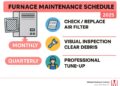
Regular maintenance is crucial for ensuring that older heating systems operate efficiently. By following a maintenance schedule and performing DIY tasks, homeowners can optimize energy efficiency and extend the lifespan of their heating systems.Schedule for Maintenance Tasks
- Change air filters every 1-3 months to ensure proper airflow and prevent dust buildup.
- Inspect and clean ductwork annually to remove any obstructions that may hinder airflow.
- Check thermostat settings regularly to ensure efficient temperature control.
- Schedule professional tune-ups at least once a year to identify and address any issues early on.
Importance of Regular Maintenance
Regular maintenance helps older heating systems run efficiently by reducing energy consumption and preventing breakdowns. It also ensures that the system operates safely and extends its overall lifespan.DIY Maintenance Tasks
- Keep the area around the furnace clear of clutter and debris to maintain proper ventilation.
- Inspect and clean the burner and flame sensor to improve combustion efficiency.
- Lubricate moving parts such as motors and fans to reduce friction and improve performance.
- Check for leaks in ductwork and seal them to prevent heat loss.
End of Discussion
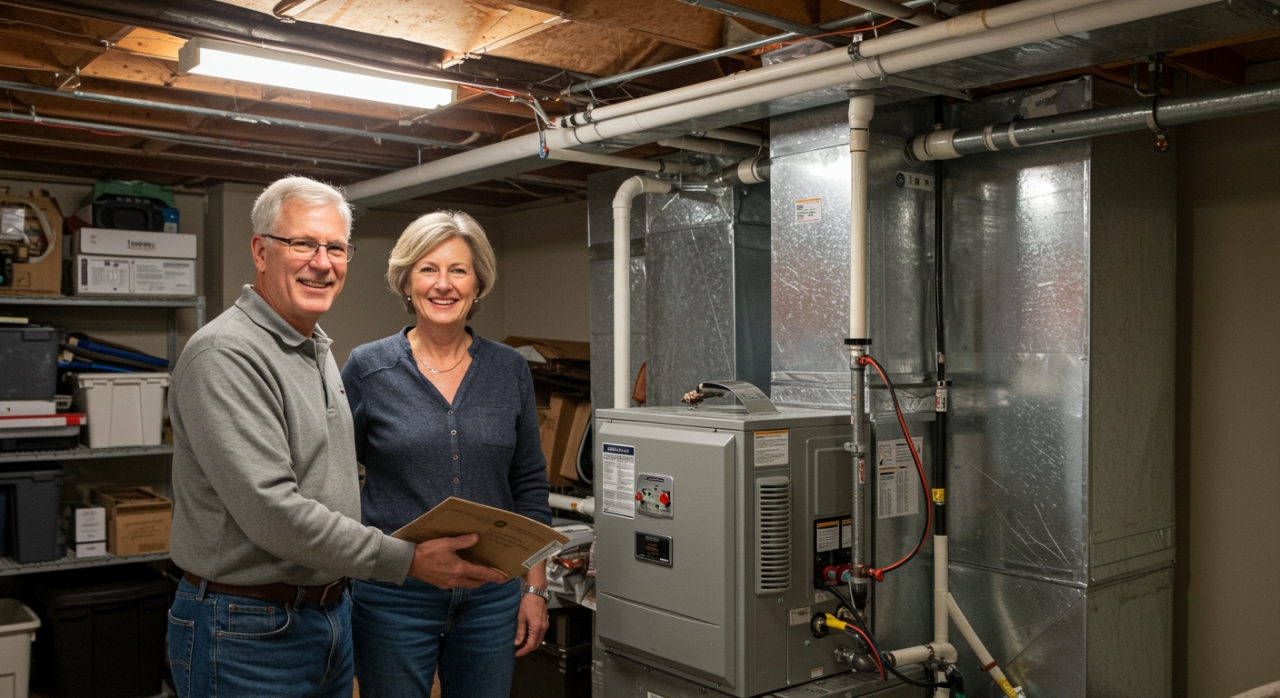
In conclusion, the discussion on How Home Furnace Repair Techs Optimize Energy Efficiency for Older Heating Systems sheds light on the importance of regular maintenance and upgrades to ensure maximum energy efficiency and savings.
General Inquiries
What are some common issues that affect the energy efficiency of older heating systems?
Common issues include worn-out components, poor insulation, or inefficient thermostats. These issues can significantly impact energy efficiency and overall performance.
What are some DIY maintenance tasks homeowners can perform to support energy efficiency?
Homeowners can regularly clean or replace air filters, check for leaks in ductwork, and ensure proper insulation to support energy efficiency in older heating systems.