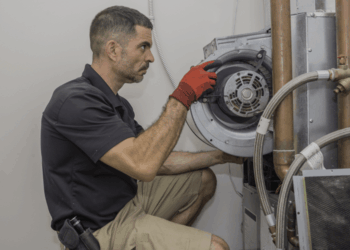

Beginning with Emergency HVAC Service: Safeguarding Commercial Cold Storage and Logistics Hubs, the narrative unfolds in a compelling and distinctive manner, drawing readers into a story that promises to be both engaging and uniquely memorable.
HVAC systems play a crucial role in maintaining the right temperatures in cold storage facilities, ensuring the preservation of perishable goods. This article delves into the significance of emergency HVAC services in preventing spoilage and financial losses in commercial cold storage and logistics hubs.
Importance of Emergency HVAC Service for Cold Storage Facilities
Maintaining the right temperature in cold storage facilities is crucial for preserving perishable goods and preventing financial losses. HVAC systems play a vital role in ensuring that the environment remains at the optimal temperature for the stored products.Impact of HVAC Breakdowns on Perishable Goods
When HVAC systems in cold storage facilities malfunction or break down, the temperature can quickly rise or drop to dangerous levels. This sudden change can lead to the spoilage of perishable goods such as fruits, vegetables, meats, and dairy products. Without immediate intervention, these goods can become unsafe for consumption, resulting in significant financial losses for businesses.- Example: A commercial cold storage facility experiences a sudden HVAC failure during a heatwave. Without emergency HVAC services, the temperature inside the facility rises rapidly, causing thousands of dollars worth of perishable goods to spoil within hours.
- Example: A logistics hub relies on cold storage units to store temperature-sensitive pharmaceuticals. If the HVAC system fails unexpectedly, the integrity of the medications could be compromised, leading to potential health risks and regulatory issues.
Common HVAC Issues in Commercial Cold Storage and Logistics Hubs
When it comes to HVAC systems in commercial cold storage and logistics hubs, several common issues can arise that pose significant challenges to operations and product quality.Temperature Fluctuations
Temperature fluctuations are a major concern in cold storage facilities as they can impact the quality and safety of stored products. HVAC systems that struggle to maintain consistent temperatures can lead to spoilage, affecting the overall inventory and potentially causing financial losses.Poor Air Circulation
Inadequate air circulation can result in uneven temperature distribution within the storage facility. This can create hot spots or cold spots, leading to issues such as condensation, mold growth, and inconsistent product quality. Proper ventilation is crucial to ensure uniform cooling throughout the space.Refrigerant Leaks
Refrigerant leaks are another common HVAC issue in cold storage warehouses. These leaks not only compromise the efficiency of the system but can also pose environmental and safety risks. It is essential to promptly address any refrigerant leaks to prevent further damage and ensure the system operates at optimal levels.Equipment Malfunctions
HVAC equipment malfunctions, such as faulty sensors, compressor issues, or electrical failures, can disrupt the entire cold storage operation. These malfunctions can lead to sudden temperature changes, system breakdowns, and potential product loss. Regular maintenance and timely repairs are essential to prevent such disruptions.Challenges of Repairing HVAC Systems in Large-Scale Warehouses
Repairing HVAC systems in large-scale cold storage warehouses can be a complex and challenging task. The sheer size of the facility, intricate system configurations, and the need to maintain uninterrupted operations pose significant challenges for technicians. Coordinating repairs without disrupting the storage environment requires careful planning and expertise to ensure minimal downtime and avoid any negative impact on stored products.Best Practices for Safeguarding HVAC Systems in Cold Storage Environments
Maintaining HVAC systems in cold storage environments is crucial to ensure the proper functioning of refrigeration units and to prevent costly downtime. By implementing preventive measures and early detection strategies, businesses can optimize HVAC performance and avoid emergencies.Preventive Maintenance Measures
- Regularly schedule professional HVAC inspections and maintenance to check for any issues or potential problems.
- Clean and replace air filters as needed to ensure proper airflow and prevent strain on the system.
- Monitor refrigerant levels and ensure proper insulation to prevent leaks and maintain efficiency.
- Inspect and clean evaporator and condenser coils to prevent dirt buildup and ensure optimal heat transfer.
Early Detection Strategies
- Utilize remote monitoring systems to track HVAC performance and receive alerts for any anomalies or malfunctions.
- Train staff to recognize signs of HVAC issues such as unusual noises, temperature fluctuations, or moisture buildup.
- Implement regular temperature and humidity checks to identify potential problems before they escalate into emergencies.
Optimizing HVAC Performance
- Implement energy-efficient HVAC systems and consider upgrading to newer models to improve performance and reduce energy costs.
- Ensure proper ventilation and airflow within the cold storage facility to maintain consistent temperatures and prevent hotspots.
- Utilize zoning and programmable thermostats to regulate temperatures based on specific storage requirements and reduce energy consumption.
Benefits of Proactive HVAC Maintenance for Commercial Cold Storage
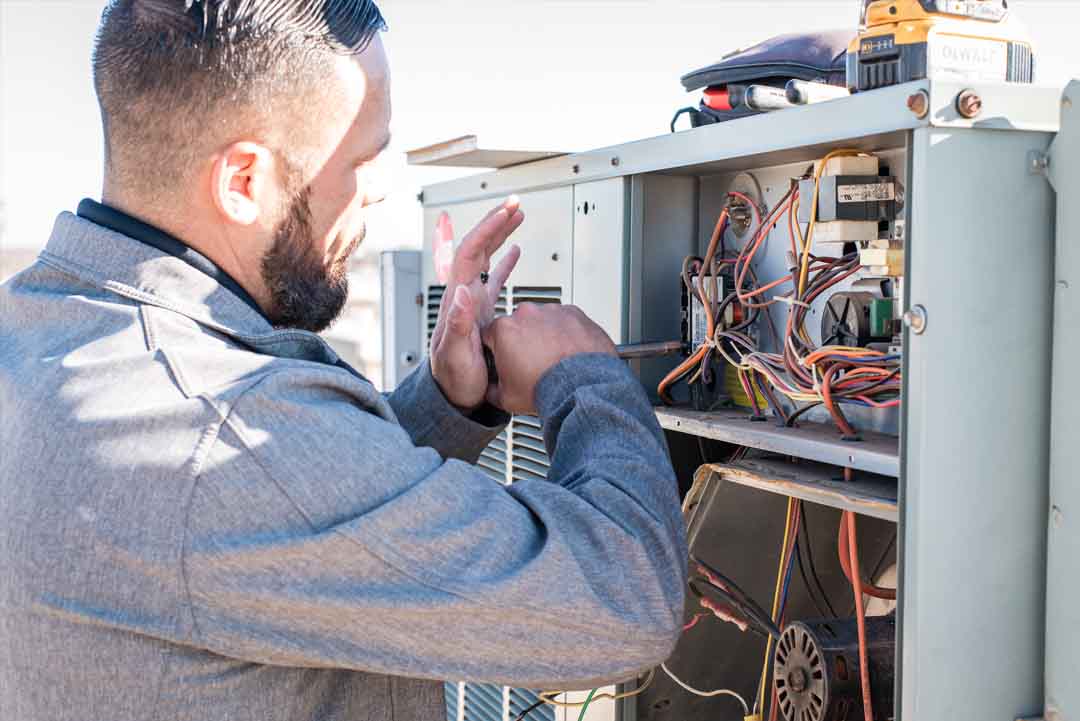 Regular maintenance schedules for HVAC systems in commercial cold storage facilities offer a multitude of benefits. By implementing proactive maintenance practices, businesses can ensure the smooth operation of their HVAC systems, prevent unexpected breakdowns, and optimize energy efficiency.
Avoiding Emergency Breakdowns
Proactive HVAC maintenance plays a crucial role in preventing emergency breakdowns in commercial cold storage facilities. By conducting regular inspections, cleaning, and servicing of HVAC equipment, potential issues can be identified and addressed before they escalate into major problems. This proactive approach helps in avoiding costly downtime and disruptions to operations, ensuring continuous and reliable temperature control within the facility.Cost Savings and Operational Efficiency
Implementing a proactive maintenance plan for HVAC systems can lead to significant cost savings and operational efficiency improvements. Regular maintenance helps in maximizing the lifespan of equipment, reducing the need for frequent repairs or replacements. By ensuring that HVAC systems are operating at peak performance, businesses can save on energy costs and enhance overall operational efficiency. Additionally, proactive maintenance can help in identifying opportunities for system upgrades or optimizations to further enhance performance and energy efficiency.Outcome Summary
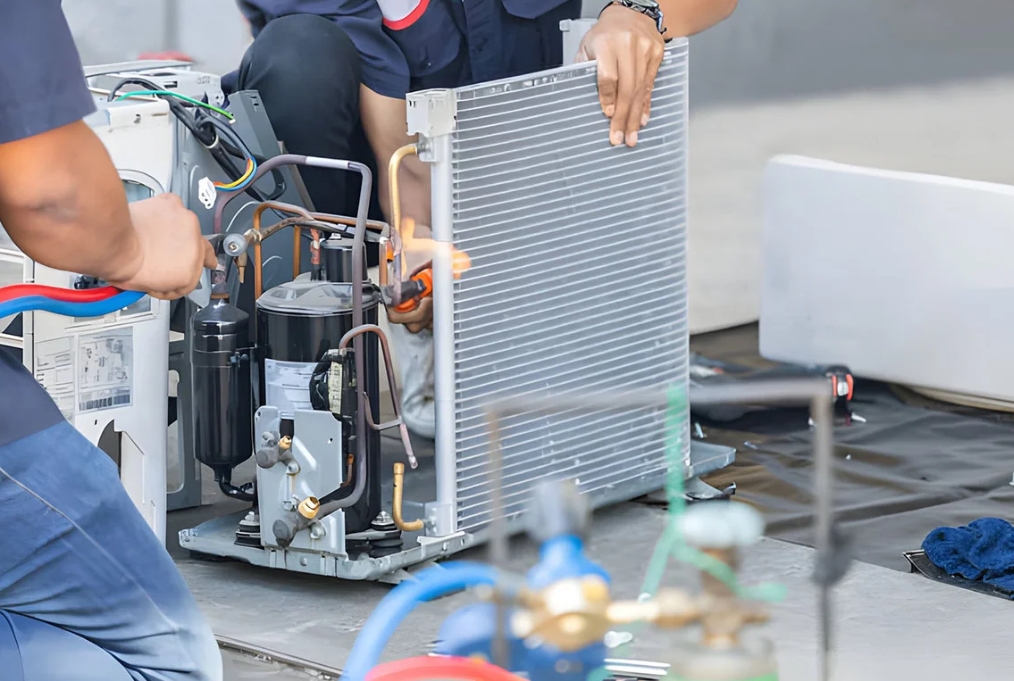
In conclusion, safeguarding HVAC systems in cold storage environments is paramount for maintaining operational efficiency and preventing costly breakdowns. By implementing proactive maintenance practices and being prepared for emergencies, businesses can ensure the smooth operation of their facilities and protect their valuable inventory.
FAQ
What are the typical problems that HVAC systems face in cold storage facilities?
Common issues include refrigerant leaks, compressor failures, and temperature fluctuations, which can compromise the quality of stored products and disrupt operations. Regular maintenance is essential to address these challenges.
How can businesses optimize HVAC performance in cold storage and logistics hubs?
Optimizing HVAC performance involves regular maintenance, timely repairs, and monitoring temperature levels to ensure consistent operation. Implementing preventive measures and investing in quality HVAC systems are key to efficiency.
What are the benefits of proactive HVAC maintenance for commercial cold storage?
Proactive maintenance helps businesses avoid emergency breakdowns, reduce downtime, and improve energy efficiency. It also leads to cost savings in the long run and enhances the overall operational efficiency of cold storage facilities.