
Embark on a journey through Residential HVAC Repair: Navigating Manufacturer Warranties and Parts Coverage, where we unravel the complexities of warranties and parts coverage in the HVAC industry. This insightful exploration will shed light on crucial aspects that homeowners need to know.
In the subsequent paragraphs, we will delve deeper into the intricacies of manufacturer warranties, parts coverage, and essential terms and conditions that shape the landscape of residential HVAC repair.
Understanding Manufacturer Warranties
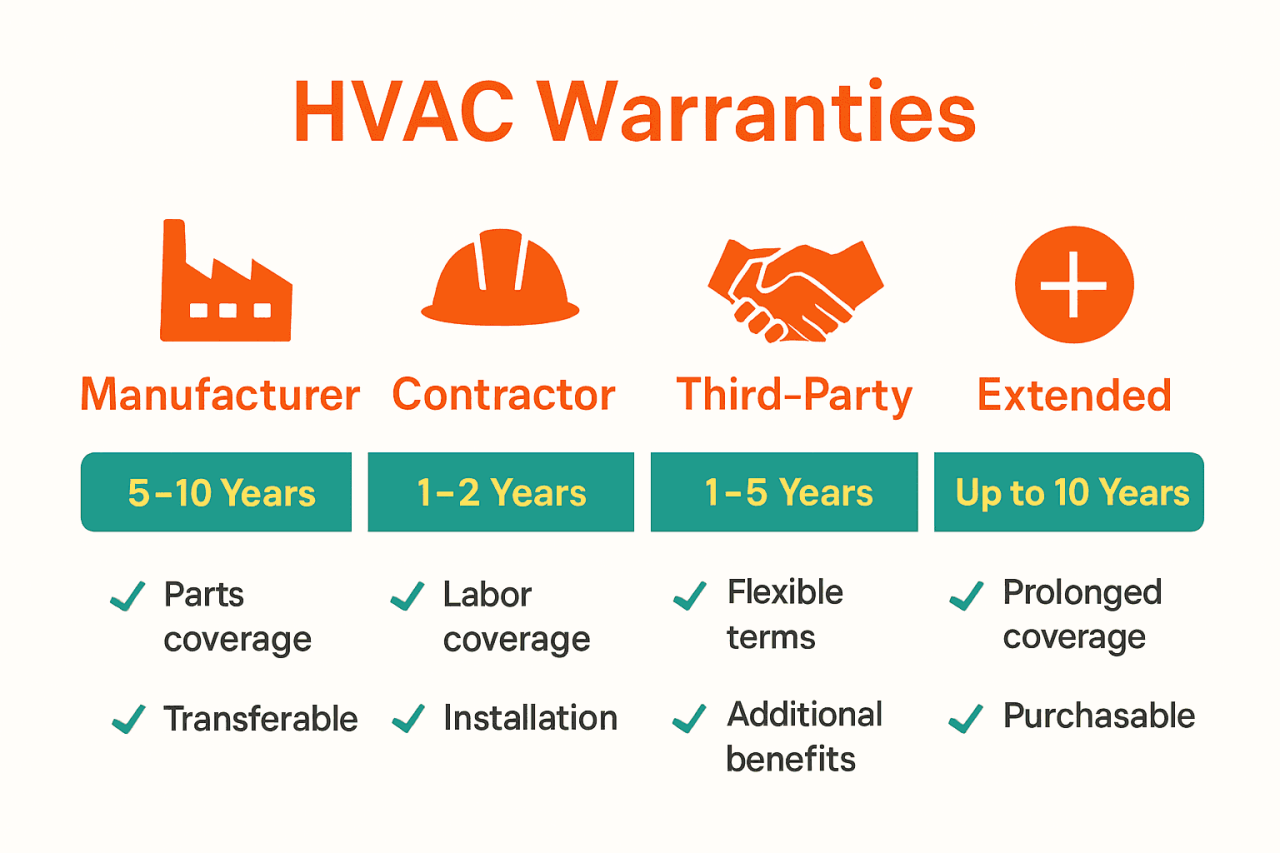
Manufacturer warranties play a crucial role in protecting residential HVAC systems and ensuring that customers receive necessary repairs or replacements within a specified timeframe. These warranties are typically provided by the HVAC system's manufacturer and come with specific terms and conditions that Artikel the coverage and limitations.Typical Coverage Provided by Manufacturer Warranties
- Coverage for parts and labor for a certain period, usually ranging from 1 to 10 years depending on the manufacturer.
- Protection against defects in materials or workmanship that may affect the performance of the HVAC system.
- Assurance of repairs or replacements at no additional cost to the customer within the warranty period.
Importance of Registering the HVAC System
Registering the HVAC system with the manufacturer is crucial to activate the warranty. Failure to register may result in the warranty being voided, leaving the customer responsible for repair costs that would otherwise be covered.
Common Exclusions or Limitations in HVAC Manufacturer Warranties
- Exclusions for damages caused by improper installation, maintenance, or repairs by unauthorized technicians.
- Limits on coverage for parts that are subject to wear and tear, such as filters, belts, and electrical components.
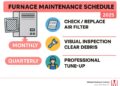
- Requirements for regular maintenance to keep the warranty valid, including documentation of service records.
Navigating Parts Coverage
When it comes to manufacturer warranties for HVAC systems, understanding the parts coverage is essential for homeowners looking to protect their investment. Let's delve into the details of what components are typically covered, how coverage varies among different brands, and what to expect when claiming parts coverage.
Components Covered Under Manufacturer Warranties
Manufacturer warranties for HVAC systems usually cover crucial components such as compressors, heat exchangers, coils, and electronic parts. These are essential parts that are costly to replace, making warranty coverage valuable for homeowners.
Comparison of Parts Coverage Among HVAC Brands
While the basic components covered are similar across brands, the duration of coverage and specific parts included can vary. Some brands may offer extended coverage for certain components, while others may have more limited coverage. It's important to review the warranty details for each brand to understand what is included.
Scenarios for Parts Coverage Application
- In a scenario where the compressor in your HVAC system fails within the warranty period, you may be eligible for a replacement at no additional cost.
- However, if the failure is due to improper maintenance or installation, the parts coverage may not apply, and you may be responsible for the repair or replacement costs.
Claiming Parts Coverage and Associated Costs
When a covered component in your HVAC system malfunctions, the first step is to contact the manufacturer or authorized dealer to initiate a claim. Depending on the warranty terms, there may be a deductible or service fee associated with the claim. It's important to follow the manufacturer's guidelines for claiming parts coverage to ensure a smooth process.
Warranty Terms and Conditions
When it comes to HVAC warranties, homeowners need to be well-informed about the key terms and conditions to ensure they get the most out of their coverage. Understanding the duration of typical warranties offered by HVAC manufacturers and how warranty terms can vary based on the type of HVAC system or brand is crucial. Here are some tips for interpreting and understanding warranty terms and conditions effectively.Duration of Typical Warranties
Most HVAC manufacturers offer warranties that typically range from 5 to 10 years, depending on the brand and type of system. It is essential for homeowners to know the duration of the warranty to plan for maintenance and repairs accordingly.
Variation in Warranty Terms
Warranty terms can vary based on the type of HVAC system or brand. For example, some manufacturers may offer extended warranties for certain components or systems, while others may have specific conditions for coverage. It is important to carefully read and understand these terms to avoid any misunderstandings in the future.
Tips for Interpreting Warranty Terms
- Read the warranty document thoroughly and highlight key terms and conditions.
- Pay attention to any exclusions or limitations mentioned in the warranty.
- Understand what actions may void the warranty, such as improper maintenance or unauthorized repairs.
- Keep track of maintenance records and follow the manufacturer's recommended maintenance schedule to ensure warranty coverage.
- Clarify any doubts or questions with the manufacturer or HVAC professional to have a clear understanding of the warranty terms.
Extending Warranty Coverage
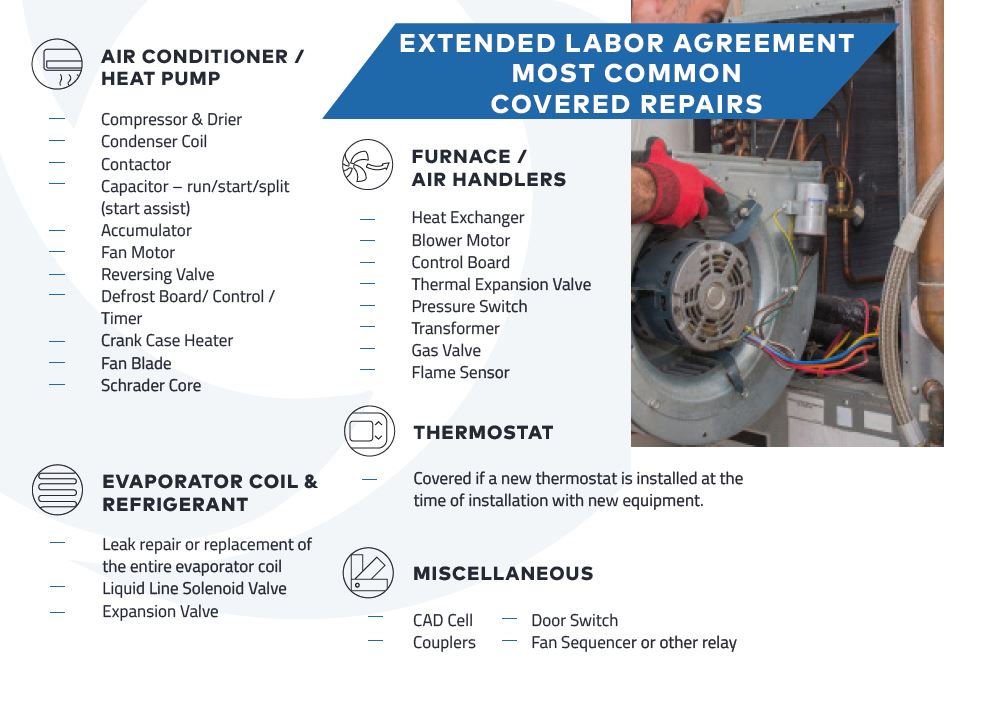
When it comes to residential HVAC systems, extending warranty coverage can provide homeowners with peace of mind and potential cost savings in the long run. By exploring options for extending or enhancing warranty coverage, homeowners can ensure that their HVAC system remains protected beyond the standard warranty period.
Benefits and Drawbacks of Extended Warranties
Extended warranties or service plans can offer homeowners added protection and coverage for their HVAC systems. However, it is important to weigh the benefits against the drawbacks before making a decision. Here are some key points to consider:
- Benefits:
- Extended peace of mind knowing the system is covered for a longer period.
- Potential cost savings on repairs or replacements.
- Convenience of having a dedicated service plan for any issues that may arise.
- Drawbacks:
- Additional cost upfront for purchasing the extended warranty.
- Potential overlap with existing manufacturer warranties.
- Restrictions or limitations on coverage depending on the provider.
Reputable Third-Party Warranty Providers
For homeowners looking to extend their HVAC warranty coverage, it is essential to choose a reputable third-party warranty provider in the HVAC industry. These providers offer extended warranty options that can complement or enhance existing manufacturer warranties. Some well-known third-party warranty providers in the HVAC industry include:
- American Home Shield
- Total Protect Home Warranty
- Choice Home Warranty
Tips for Homeowners
Before deciding to extend your HVAC warranty coverage, consider the following tips to make an informed decision:
- Review the terms and conditions of the extended warranty to understand what is covered and any exclusions.
- Compare the cost of the extended warranty with potential repair or replacement costs without coverage.
- Research customer reviews and ratings of the third-party warranty provider to ensure reliability.
- Contact the provider directly to ask any questions or clarify any details before making a purchase.
Final Summary
As we conclude our discussion on Residential HVAC Repair: Navigating Manufacturer Warranties and Parts Coverage, we reflect on the significance of understanding warranty terms and maximizing coverage for your HVAC system. Armed with this knowledge, homeowners can make informed decisions and ensure the longevity of their HVAC systems.
Clarifying Questions
What are the common exclusions in HVAC manufacturer warranties?
Common exclusions in HVAC manufacturer warranties may include improper installation, lack of maintenance, or using unauthorized parts. It's crucial to review the warranty terms for specific details.
How can homeowners claim parts coverage for their HVAC systems?
Homeowners can typically claim parts coverage by contacting the manufacturer or authorized service provider, providing details of the issue, and following the specified process Artikeld in the warranty.
What options are available for extending warranty coverage for residential HVAC systems?
Options for extending warranty coverage may include purchasing extended warranties from the manufacturer, opting for service plans, or exploring third-party warranty providers. Each option has its benefits and considerations.