
Emergency Heating and Air Solutions for High-Rise Apartments and Condominiums sets the stage for this enthralling narrative, offering readers a glimpse into a story that is rich in detail with casual formal language style and brimming with originality from the outset.
High-rise buildings present unique challenges when it comes to emergency heating and air solutions. From the importance of efficient systems to the risks of failures, this guide covers it all.
Overview of Emergency Heating and Air Solutions for High-Rise Apartments and Condominiums
In high-rise buildings such as apartments and condominiums, providing emergency heating and air solutions comes with unique challenges due to the vertical nature of the properties. These challenges can affect the efficiency and effectiveness of emergency response systems.Having efficient emergency heating and air solutions in place for high-rise apartments and condominiums is crucial to ensure the safety and comfort of residents. In emergency situations, quick and effective response is essential to prevent further damage and maintain a habitable environment for occupants.Importance of Efficient Systems
- Efficient systems ensure timely response to emergencies, minimizing disruptions to residents.
- Properly maintained systems reduce the risk of failures during critical times.
- Well-designed emergency plans can help in preventing major issues and ensuring resident safety.
Potential Risks of Failures
- Heating failures in high-rise buildings can lead to discomfort and health risks for residents, especially during colder seasons.
- Air conditioning failures can result in poor indoor air quality, affecting the health and well-being of occupants.
- Inefficient emergency systems can cause delays in response time, exacerbating the impact of heating and air conditioning failures.
HVAC System Design and Installation for High-Rise Buildings
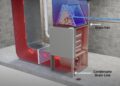
When it comes to designing HVAC systems for high-rise buildings like apartments and condominiums, there are several crucial considerations that need to be taken into account. The unique challenges presented by tall structures require a specialized approach to ensure efficient heating and cooling throughout the building.Proper ventilation and air distribution play a key role in maintaining comfortable indoor temperatures and air quality in high-rise properties. The design of HVAC systems must account for the vertical nature of these buildings, as air circulation and distribution can be more complex compared to single-family homes.Considerations for HVAC System Design in High-Rise Buildings
- Vertical air distribution: HVAC systems in high-rise buildings need to consider the vertical distribution of air throughout the structure to ensure consistent heating and cooling across all floors.
- Zoning and controls: Implementing zoning systems and individual controls for different areas of the building can help optimize energy usage and maintain personalized comfort levels for residents.
- Noise control: Due to the close proximity of units in high-rise buildings, noise control measures must be implemented to minimize disturbances from HVAC equipment.
Installation Process for HVAC Systems in High-Rise Buildings
- Cranes and access: Installing HVAC systems in high-rise buildings often requires the use of cranes and specialized access equipment to reach upper floors efficiently.
- Piping and ductwork: The installation of piping and ductwork in high-rise buildings can be more complex due to the vertical layout of the structure, requiring careful planning and coordination.
- System integration: Proper integration of HVAC systems with the building's infrastructure is crucial to ensure seamless operation and efficient performance.
Maintenance Practices for Emergency Preparedness
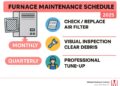
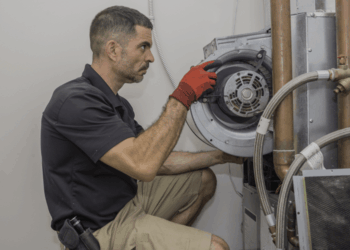
 Regular maintenance of HVAC systems in high-rise buildings is crucial for ensuring they are always ready for emergencies. By following a maintenance schedule and conducting inspections and tune-ups, property managers can prevent sudden breakdowns in heating and air systems. Having a proactive maintenance plan in place helps address potential issues before they escalate into emergencies, ensuring the comfort and safety of residents
Importance of Regular Inspections and Tune-Ups
- Regular inspections and tune-ups help identify and address minor issues before they turn into major problems, reducing the risk of unexpected breakdowns.
- Proper maintenance also helps improve the efficiency of HVAC systems, leading to lower energy costs and extended equipment lifespan.
- By ensuring that all components are working optimally, inspections and tune-ups contribute to the overall safety of the building and its occupants.
Significance of a Proactive Maintenance Plan
- A proactive maintenance plan involves scheduled inspections, cleaning, and servicing of HVAC systems to prevent potential failures and emergencies.
- Addressing issues in advance helps property managers avoid costly repairs and replacements, ultimately saving time and money in the long run.
- Regular maintenance also ensures compliance with building codes and regulations, promoting a safe and healthy living environment for residents.
Energy Efficiency Solutions for High-Rise Apartments and Condominiums
When it comes to high-rise properties, energy efficiency is crucial not only for cost savings but also for reducing environmental impact. Implementing energy-efficient heating and cooling systems can provide long-term benefits for both residents and the building as a whole.
Innovative Technologies for Energy Efficiency
- Utilization of smart thermostats to optimize heating and cooling based on occupancy and usage patterns.
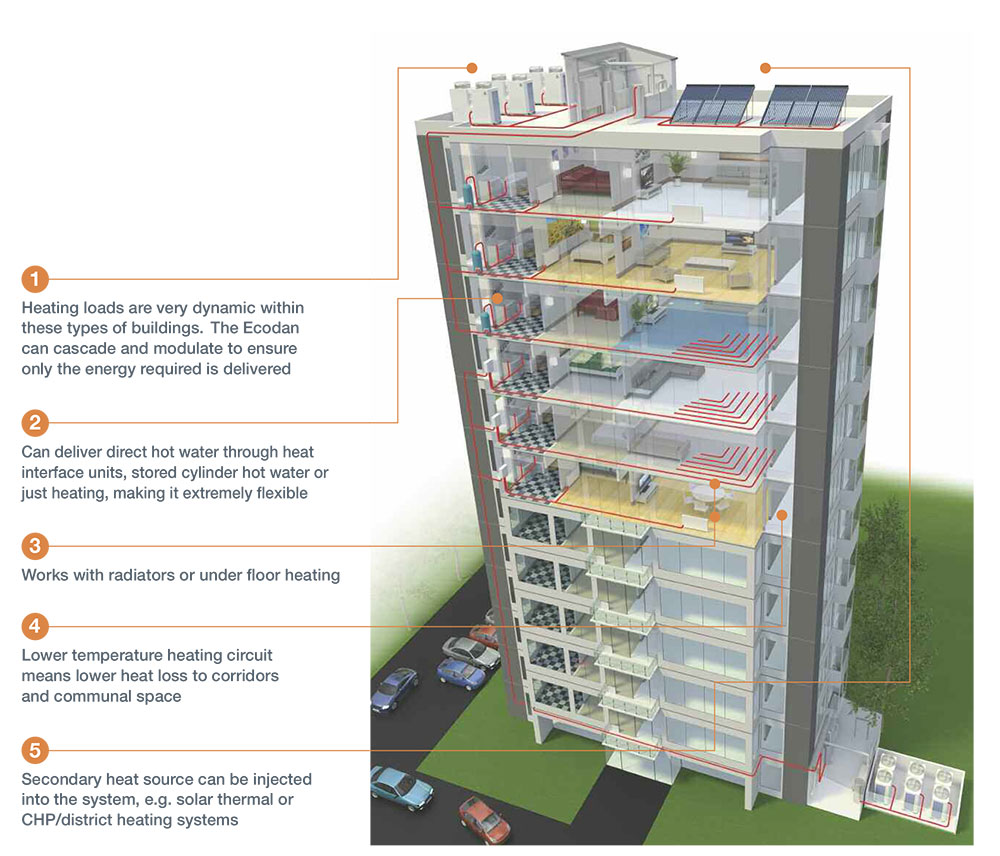
- Installation of energy-efficient HVAC equipment such as variable refrigerant flow (VRF) systems.
- Integration of renewable energy sources like solar panels to supplement heating and cooling energy needs.
Examples of Energy-Efficient Heating and Air Solutions
- Heat pumps that provide both heating and cooling functions efficiently.
- Zoned HVAC systems that allow for customized temperature control in different areas of the building.
- Energy recovery ventilation systems to minimize energy loss during air exchange.
Long-Term Benefits of Energy-Efficient HVAC Systems
- Significant reduction in energy bills for both residents and building owners.
- Lower carbon footprint and decreased environmental impact due to reduced energy consumption.
- Enhanced comfort and air quality for residents with improved HVAC systems.
End of Discussion
As we wrap up our discussion on Emergency Heating and Air Solutions for High-Rise Apartments and Condominiums, it's clear that preparedness is key. By understanding the challenges, benefits, and maintenance practices, you can ensure a comfortable living environment in these towering structures.
FAQ Explained
What are the main challenges of providing emergency heating and air solutions in high-rise buildings?
High-rise buildings face unique challenges such as complex ventilation systems and limited space for HVAC equipment installation.
How does HVAC system design differ for high-rise buildings compared to single-family homes?
Design considerations for high-rise buildings include vertical air distribution, zoning for different floors, and centralized control systems.
Why is proactive maintenance important for HVAC systems in high-rise buildings?
Proactive maintenance helps prevent sudden breakdowns, ensures efficient operation, and extends the lifespan of heating and cooling systems in high-rise properties.