
Home Furnace Repair: Transitioning from Oil to Energy-Efficient Electric Systems sets the stage for this enthralling narrative, offering readers a glimpse into a story that is rich in detail with casual formal language style and brimming with originality from the outset.
As we delve deeper into the intricacies of transitioning from oil to energy-efficient electric systems, a world of possibilities opens up, shedding light on the benefits and considerations that come with such a transformation.
Understanding the Transition
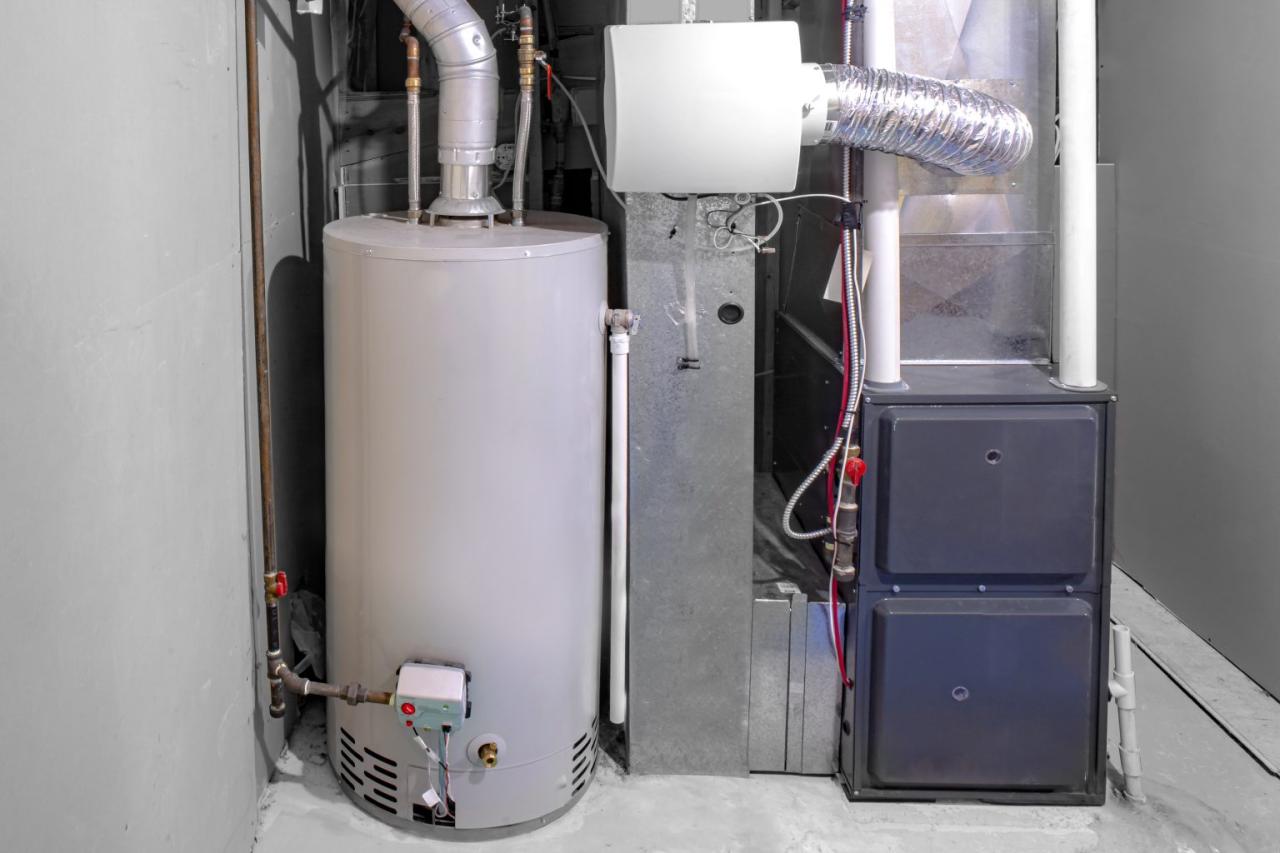
Transitioning from oil to energy-efficient electric systems for home heating is becoming increasingly popular due to a variety of reasons.
Environmental Impact
- Oil furnaces contribute to air pollution by releasing harmful emissions such as carbon monoxide, sulfur dioxide, and particulate matter.
- Energy-efficient electric systems, on the other hand, have a lower carbon footprint and help reduce greenhouse gas emissions, thus promoting a cleaner environment.
- Switching to electric systems can help combat climate change and protect the health of both individuals and the planet.
Benefits of Energy-Efficient Electric Systems
- Electric systems are more energy-efficient, resulting in lower utility bills and long-term cost savings for homeowners.
- Electric systems are safer to operate than oil furnaces, reducing the risk of fires and carbon monoxide poisoning in the home.
- Electric systems are quieter, require less maintenance, and offer better temperature control, enhancing overall comfort in the home.
Considerations before Transitioning
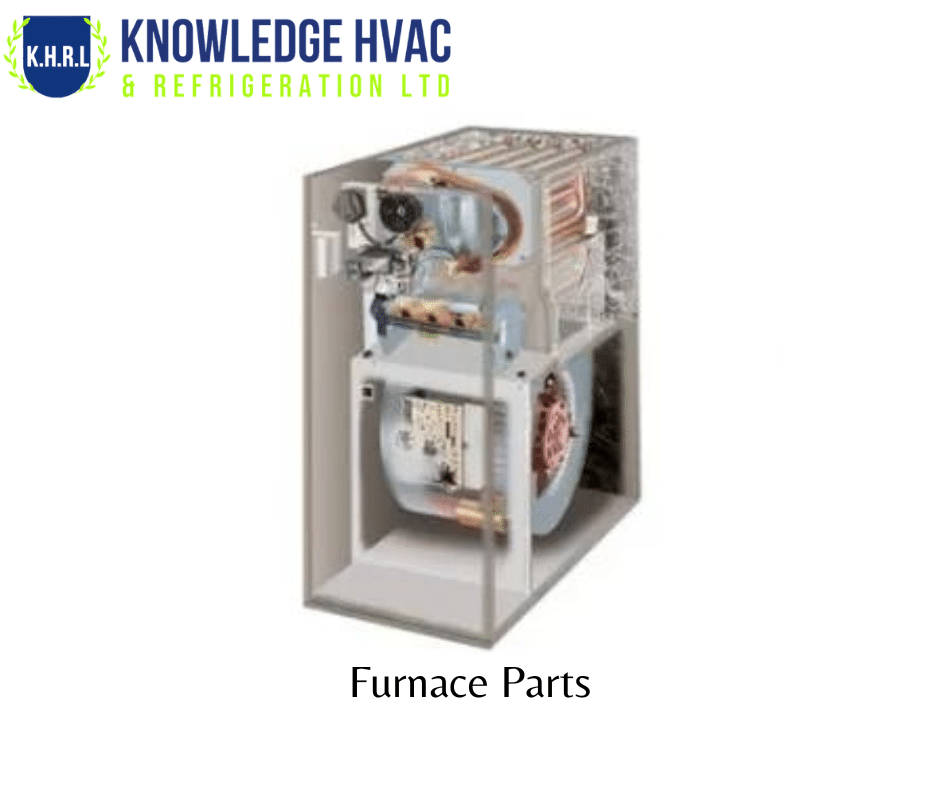 Switching from oil to energy-efficient electric systems comes with various considerations that homeowners need to take into account before making the transition. Below are some key factors to consider:
Cost Implications
When transitioning from an oil furnace to an energy-efficient electric system, one of the primary considerations is the cost implications involved. While electric furnaces are generally more energy-efficient and cost-effective to run in the long term, the initial cost of purchasing and installing a new electric system can be higher than that of replacing an existing oil furnace. Homeowners should carefully weigh the upfront costs against the long-term savings to determine the overall financial impact of the transition.Energy Efficiency Ratings
When choosing a new furnace, it is essential to consider the energy efficiency ratings of the available options. Look for furnaces with high Annual Fuel Utilization Efficiency (AFUE) ratings, which indicate how efficiently the furnace converts fuel into heat. Energy Star certified models are also a good choice as they meet strict energy efficiency guidelines set by the Environmental Protection Agency. By selecting a furnace with high energy efficiency ratings, homeowners can reduce their energy consumption and lower their utility bills.Necessary Upgrades or Modifications
Before transitioning to an energy-efficient electric system, homeowners may need to make certain upgrades or modifications to their homes. These upgrades could include installing a new electrical circuit to support the electric furnace, upgrading the ductwork to accommodate the new system, or making adjustments to the thermostat and controls. It is essential to assess the existing infrastructure and determine what modifications are needed to ensure a smooth transition to the new system.Installation Process
When transitioning from an oil furnace to an energy-efficient electric system, the installation process is crucial to ensure optimal functionality and safety in your home. It involves the removal of the old oil furnace and the installation of the new electric system. It is essential to hire a professional for this task to guarantee a smooth and successful transition.Steps Involved
- Disconnecting and removing the oil furnace: The first step is to disconnect the oil furnace from the ductwork, fuel supply, and electrical connections. The unit will then be carefully removed from the property.
- Assessing and preparing the space: Once the oil furnace is removed, the space needs to be assessed to ensure it meets the requirements for installing the new electric system. Any necessary adjustments or modifications will be made to accommodate the new unit.
- Installing the energy-efficient electric system: The new electric system will be installed in place of the old oil furnace. This includes connecting it to the ductwork, electrical supply, and any other necessary components.
- Testing and commissioning: After the installation is complete, the system will be tested to ensure it is functioning correctly. Any adjustments or fine-tuning will be done to optimize performance.
Importance of Hiring a Professional
It is highly recommended to hire a professional HVAC technician or installer to handle the removal of the oil furnace and the installation of the new electric system. Professionals have the expertise, experience, and tools required to perform the job safely and efficiently. They can also ensure that the system is installed according to manufacturer specifications and local building codes.
Safety Considerations
- Proper handling of hazardous materials: During the removal of the oil furnace, it is essential to handle any hazardous materials, such as oil or other contaminants, with care to prevent environmental damage or health risks.
- Electrical safety: Installing an electric system involves working with electrical components. It is crucial to follow proper safety procedures to avoid electrical hazards or accidents.
- Ventilation and air quality: Ensuring proper ventilation and air quality in the installation area is essential to prevent any issues related to indoor air pollution or inadequate airflow.
Maintenance and Care
Proper maintenance and care are essential to ensure the longevity and optimal performance of your energy-efficient electric heating system. By following these tips and guidelines, you can prevent potential issues and keep your system running smoothly.
Regular Inspection and Cleaning
Regularly inspect and clean your heating system to remove any dust, debris, or obstructions that may affect its efficiency. Make sure to turn off the power before performing any maintenance tasks to avoid accidents.
Filter Replacement
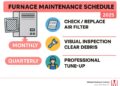
Replace the air filters in your system every 1-3 months, depending on usage. Clogged filters can restrict airflow and reduce the system's efficiency. Clean filters ensure proper air circulation and improve indoor air quality.
Professional Servicing
Schedule annual maintenance checks with a qualified technician to inspect and tune up your heating system. They can identify any potential issues early on and ensure that your system is operating at peak performance.
Common Issues and Troubleshooting
Some common issues that may arise with energy-efficient electric heating systems include thermostat malfunctions, electrical problems, and airflow issues. If you encounter any of these issues, refer to the manufacturer's manual for troubleshooting steps or contact a professional for assistance.
Importance of Regular Maintenance
Regular maintenance not only extends the lifespan of your heating system but also helps in maintaining its energy efficiency. By addressing minor issues promptly and keeping your system well-maintained, you can avoid costly repairs and ensure consistent comfort in your home.
Final Conclusion
In conclusion, transitioning to energy-efficient electric systems from traditional oil furnaces not only promises cost savings but also contributes to a greener, more sustainable future. Embracing this change ensures that your home is equipped with the latest technology for efficient heating, making it a wise investment for both your comfort and the environment.
Question Bank
What are the benefits of switching to energy-efficient electric systems for home heating?
Energy-efficient electric systems offer lower operating costs, reduced environmental impact, and improved heating efficiency compared to oil furnaces.
What are the cost implications of switching from oil to energy-efficient electric systems?
While the initial investment may be higher, long-term savings on energy bills and maintenance costs make the switch financially beneficial.
What are some common issues that may arise with energy-efficient electric systems and how can they be troubleshooted?
Common issues include thermostat malfunctions, air flow problems, or electrical issues. Troubleshooting involves checking the thermostat settings, air filters, and circuit breakers.